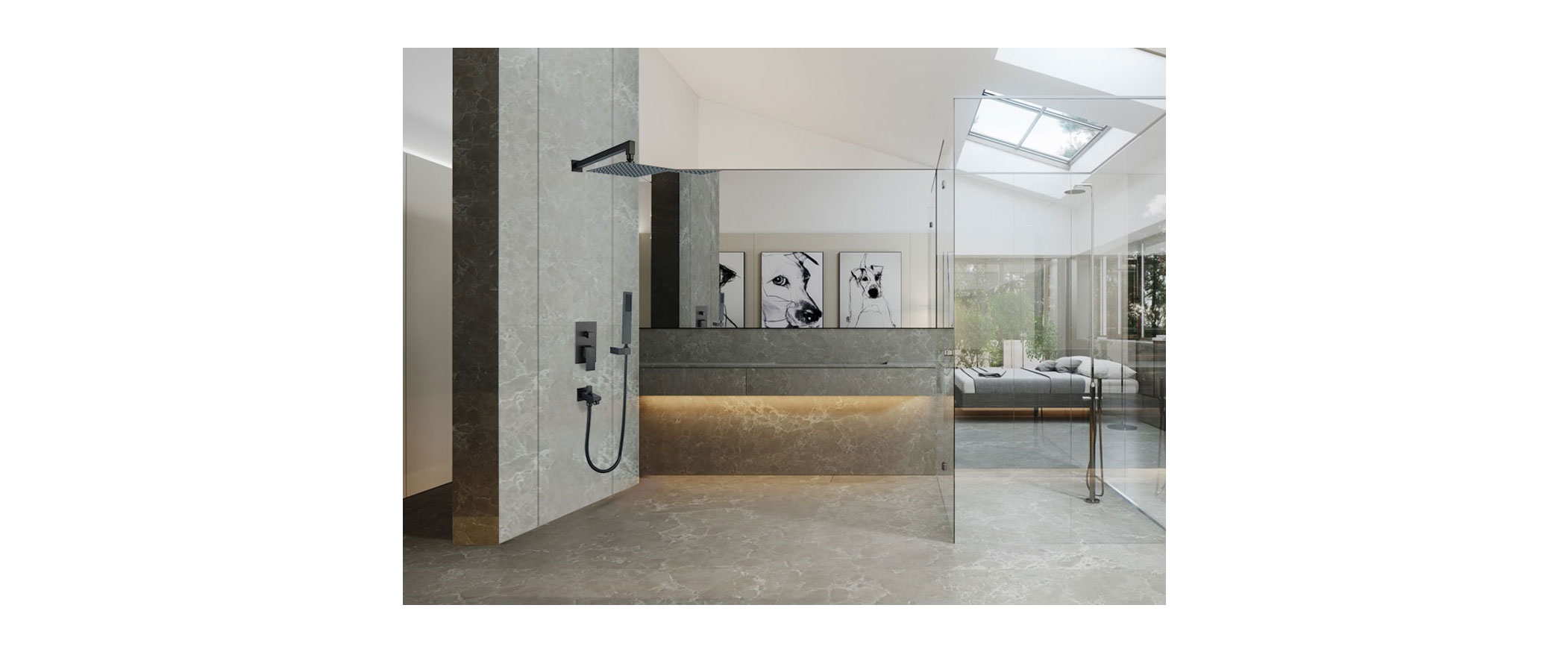
How to Match Your Bathroom Fixtures: A Guide to Coordinating Special Finishes

bathroom accessories in India

Bathroom fixture finishes refer to the surface coating that protects and enhances the appearance of fixtures like faucets, shower heads, towel racks, and accessories. The right finish not only ensures durability but also sets the tone for your entire bathroom accessories.
Types of Finishes
Chrome: Classic, versatile, and highly reflective
Brushed Nickel: Soft, warm tone with subtle sheen
Matte Black: Bold, contemporary, and light-absorbing
Brass/Gold: Warm, luxurious, and traditionally elegant
Stainless Steel: Industrial, durable, and corrosion-resistant

Expert Insight: “The finish you choose becomes the jewelry of your bathroom—it should complement both your style and your lighting,” notes Stout Sanitaryware’s design team .

2025 Finish Trends
This year’s bathroom design trends emphasize personalized expression and sophisticated coordination:
1. Mixed Metal Finishes
The biggest trend for 2025 is confidently mixing metal finishes. Designers are moving away from matchy-matchy schemes toward intentional contrast . Popular combinations include:
Matte black fixtures with brushed nickel accents
Brass faucets with chrome hardware
Polished nickel with matte black accessories
2. Organic and Textured Finishes
Natural materials and textures are dominating:
Brushed brass and oil-rubbed bronze for warmth
Matte finishes that absorb light rather than reflect it
Living finishes (patinated surfaces) that develop character over time
3. Statement Finishes
Bold choices that serve as focal points:
Gold and brass fixtures for luxury appeal
Black matte finishes for dramatic contrast
Custom colors that coordinate with tile or wall color

Guiding Principles for Coordination
1. Create a Finish Hierarchy
Choose one dominant finish (60-70%) and one secondary finish (20-30%) for your bathroom. This creates visual harmony while allowing for interesting contrast .
2. Consider Your Lighting
Lighting dramatically affects how finishes appear:
Warm light enhances brass, gold, and bronze tones
Cool light complements chrome and nickel
Natural light works well with most finishes but can alter color perception
3. Coordinate with Fixed Elements
Consider finishes of:
Permanent fixtures (tiles, countertops)
Architectural elements (door handles, window frames)
Textiles (towels, bath mats)
4. Use the 60-30-10 Rule
Apply your dominant finish to 60% of surfaces, secondary to 30%, and use remaining 10% for accent pieces. This ensures a balanced, intentional look .

Step-by-Step Coordination Guide
Assess Your Space
Choose Dominant Finish
Select Supporting Finishes
Map Out Fixture Placement
Purchase with Coordination in Mind
Style with Cohesive Accessories
Enjoy Your Harmonized Bathroom
Step 1: Assess Your Bathroom
Take inventory of existing fixtures
Note permanent elements (tile color, countertop material)
Identify your preferred style (modern, traditional, eclectic)
Step 2: Choose Your Dominant Finish
Select primary finish based on:
Personal preference
Existing permanent elements
Overall bathroom size (lighter finishes for small spaces)
Step 3: Select Supporting Finishes
Choose complementary finishes that:
Create contrast without clashing
Work with your lighting conditions
Align with your design style
Step 4: Map Out Fixture Placement
Plan which finishes will go where:
Group similar finishes together
Use accent finishes strategically
Ensure functional cohesion
Step 5: Purchase with Coordination
When shopping:
Bring samples of existing finishes
Test how they look in your bathroom’s lighting
Consider finish from the same manufacturer for consistency
Step 6: Style with Cohesive Accessories
Complete the look with:
Coordinated towel racks and robe hooks
Matching soap dispensers and toothbrush holders
Complementary mirrors and lighting fixtures

Fixture-Specific Coordination
Shower Fixtures
For shower columns and traditional shower sets, coordinate with:
Valve finishes matching faucet finishes
Shower head in same metal family as other fixtures
Handheld sprays in complementary or matching finish
Body jets in same finish as main unit
Vanity and Sink Fixtures
Faucet as statement piece in dominant finish
Cabinet handles in secondary finish
Sink material coordination (porcelain sinks with chrome faucets, stone sinks with brass fixtures)
Toilet and Bidet Fixtures
Lever handles matching faucet finish
Flush plates in complementary finish
Bidet controls coordinated with overall scheme
Accessories and Hardware
Towel racks and robe hooks in secondary finish
Mirror frames matching dominant finish
Lighting fixtures with metal accents matching other fixtures

Mixing Metal Finishes
Which Metals Work Well Together?
Primary Finish
Complementary Finishes
Result
Chrome
Brushed Nickel, Brass, Black
Classic, versatile look
Brushed Nickel
Chrome, Black, Brass
Warm, sophisticated appearance
Matte Black
Brass, Gold, Chrome
High-contrast, contemporary
Brass
Chrome, Matte Black, Nickel
Traditional yet fresh
Gold
Matte Black, Silver
Luxurious, dramatic

Pro Tips for Mixing Metals:
Limit to three metals per bathroom for cohesion
Use the 60-30-10 rule for distribution
Consider sheen level (matte vs. polished)
Test samples in your actual bathroom lighting
⚠️ Avoid: Mixing two metals from the same temperature family (e.g., nickel with chrome) without clear contrast .

Common Coordination Mistakes
1. Ignoring Permanent Elements
Failing to coordinate with existing tiles, countertops, or flooring can create a disjointed look. Always consider fixed elements first .
2. Too Many Finishes
Using more than 2-3 metal finishes creates visual chaos. Stick to your planned hierarchy for cohesion .
3. Disregarding Lighting
Finishes appear dramatically different under warm vs. cool light. Always test samples in your actual bathroom lighting before purchasing .
4. Matching Without Context
Buying all fixtures in the same finish without considering your bathroom’s size and style can feel overwhelming in small spaces .
5. Forgetting Function for Form
Choosing fixtures solely for appearance without considering ergonomics, durability, or water efficiency leads to regret .

Maintenance and Care
Cleaning by Finish Type
Chrome: Wipe with soft cloth; avoid abrasive cleaners
Brushed Nickel: Clean with mild soap and water; dry thoroughly
Matte Black: Use microfiber cloth; avoid fingerprints with regular cleaning
Brass: Preserve with specialized brass cleaners; avoid harsh chemicals
Long-Term Maintenance
Polishing: Periodically polish metal finishes to maintain luster
Touch-ups: Keep matching paint sticks for minor scratches
Professional refinishing: Consider for high-traffic areas every 5-7 years

Expert Tips from Stout Sanitaryware
As a leading supplier of premium bathroom fixtures in India, Stout Sanitaryware emphasizes these coordination principles:
💬 From the Experts: “Thoughtful coordination transforms a functional bathroom into a personalized sanctuary. Your fixtures should reflect both your practical needs and aesthetic preferences while maintaining harmony with your space’s architecture.”
Their Professional Recommendations:
Start with Permanent Elements: Always coordinate with existing tiles, stone, or flooring first
Create Visual Flow: Ensure finishes guide the eye naturally through the space
Invest in Quality: Premium finishes maintain beauty longer and provide better value
Test in Real Conditions: Always view samples in your bathroom’s actual lighting before making final decisions
Consider Lifestyle: Choose finishes that align with your maintenance preferences and household needs

FAQs
Q1: Can I match chrome with brass fixtures?
A: Yes! Chrome and brass create a classic, sophisticated look when paired intentionally. Use chrome as your dominant finish with brass accents, or vice versa .
Q2: How do I coordinate with existing tile if I don’t want to replace it?
A: Select fixtures that complement your tile’s undertones. Cool-toned tiles work with chrome/nickel; warm-toned tiles pair with brass/gold .
Q3: Are matte finishes harder to maintain?
A: Matte finishes show fewer water spots but require more frequent cleaning to maintain appearance. Use microfiber cloths and avoid harsh chemicals .
Q4: Should all fixtures match exactly?
A: Not necessarily! Creating intentional contrast with 10% accent finish adds visual interest while maintaining cohesion .
Q5: How do I coordinate finishes in a small bathroom?
A: Use lighter finishes and reflective surfaces to create sense of space. Matte finishes work well as they absorb light rather than reflect it .

Conclusion
Coordinating bathroom fixtures is both an art and a science. By understanding finish types, following 2025 trends, and applying systematic coordination principles, you can create a bathroom that feels both cohesive and deeply personal.

Remember that the best coordinated bathroom is one that reflects your unique style while meeting your practical needs. Whether you prefer the bold contrast of matte black with brass accents or the classic elegance of chrome with brushed nickel, thoughtful coordination transforms your daily routine into a more beautiful experience.

Explore Stout Sanitaryware’s coordinated collections at Stout Sanitaryware to find perfectly matched fixtures for your bathroom vision.

Leave a comment