The bathroom is no longer just a functional corner of the house; it has evolved into a personal sanctuary, a space to unwind and rejuvenate. And at the heart of this sanctuary is the shower. For the Indian homeowner, upgrading from a basic mixer to a modern shower system is one of the most transformative decisions you can make for your home. It’s an investment in daily comfort, in the value of your property, and in your overall well-being.
But walk into any sanitaryware showroom or browse online, and you’re bombarded with choices: concealed, exposed, rainfall, body jets, thermostatic, matte black, brushed gold… It can be overwhelming. This complete guide is designed specifically for you, the Indian homeowner. We’ll cut through the jargon and complexity, providing clear, simple, and actionable advice to help you choose the perfect shower system for your unique needs, budget, and style.
Drawing on the expertise and premium product lines from a trusted name in the industry, Stout Sanitary Ware, we’ll navigate this journey together, ensuring you make a choice that brings you joy for years to come.
Understanding the Indian Context: Why Your Shower Choice is Unique
Before we dive into types and features, it’s crucial to address the specific factors that influence plumbing choices in Indian homes. Ignoring these can lead to disappointing performance and costly repairs.
Variable Water Pressure: This is perhaps the biggest challenge. Water pressure can fluctuate dramatically, not just between different cities and buildings, but even at different times of the day in the same apartment. A high-rise apartment on the 15th floor will have very different needs than a ground-floor independent house. Your chosen shower system must be able to perform efficiently under these variable conditions.
The Hard Water Reality: Hard water is a common issue across many parts of India. The high mineral content (calcium and magnesium) can be ruthless on bathroom fixtures. It leads to ugly white stains on glass and tiles, and more importantly, it can corrode inferior metals from the inside out, clogging the nozzles of your shower head and damaging the internal valves over time.
The Need for Durability and Low Maintenance: In a busy Indian household, your bathroom fittings need to be robust. You don’t want to be calling a plumber every few months. You need a system built from high-quality materials that can withstand daily use and the effects of hard water with minimal upkeep.
Keeping these three factors in mind will be your compass as we explore the exciting world of modern shower systems.
Deconstructing the Shower System: The Anatomy of a Perfect Shower
A modern shower system isn’t just one thing; it’s a collection of components working in harmony. Understanding these parts is the first step to making an informed choice.
Shower System
A shower system is an integrated set of components that work together to deliver water from the source to the bather in a controlled and enjoyable manner. It typically includes a shower head, control valves, and may include additional features like a handheld shower and body jets.
Key Components Explained:
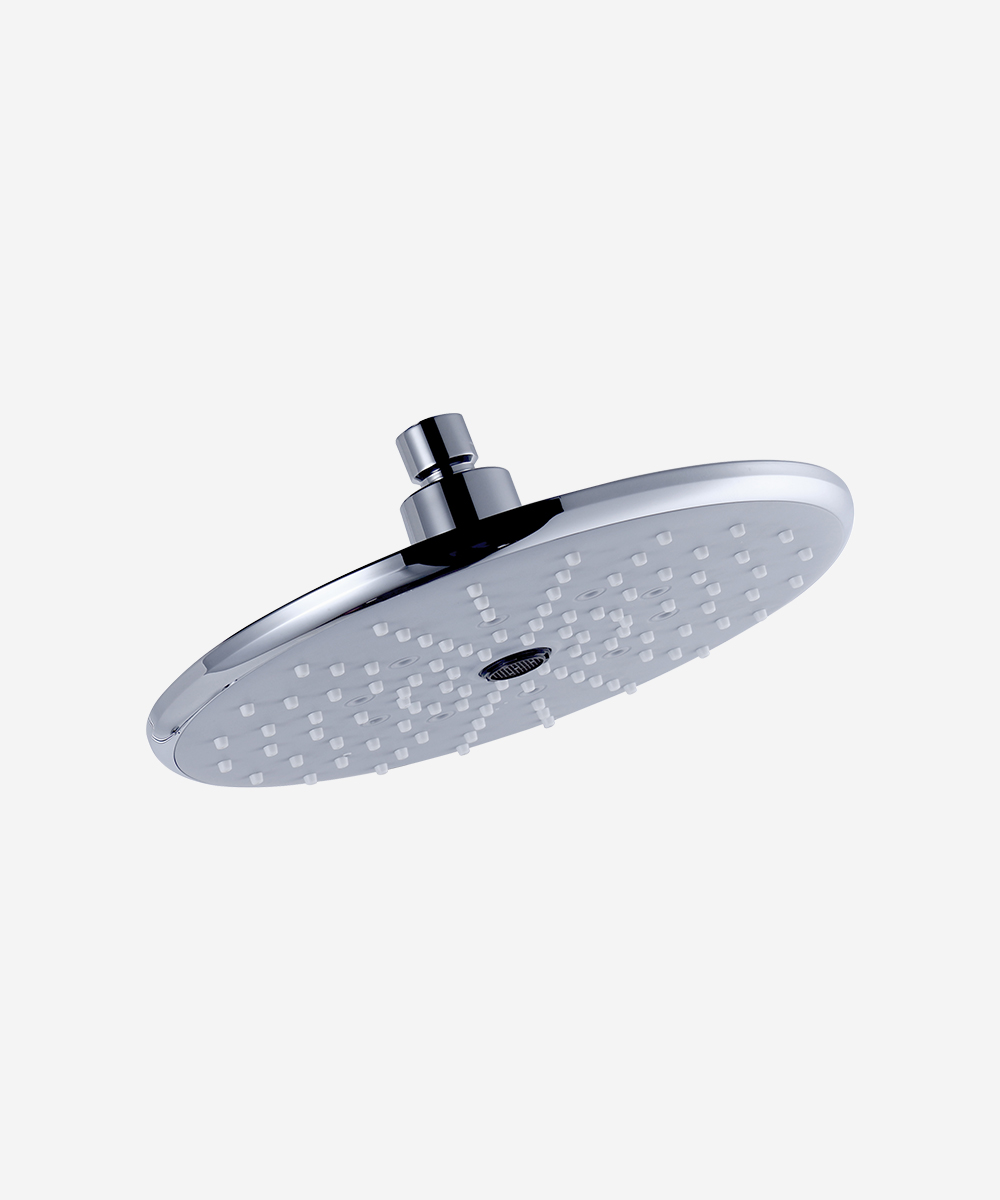
The Shower Head: This is what delivers the water. The most popular type in 2025 is the rainfall shower head, which is large and mounted on the ceiling or high on the wall to mimic a natural, drenching rain. Waterfall shower heads provide a single, wide sheet of water for a more dramatic effect.
The Control Valve (The Brains): This is the most critical component for both safety and comfort.
Manual Mixer: The basic type. You manually adjust two separate handles or knobs for hot and cold water. The major drawback is its susceptibility to pressure fluctuations. If someone flushes a toilet elsewhere in the house, you could get a sudden, dangerous blast of hot or cold water.
Thermostatic Valve: This is the 2025 standard for any quality bathroom. A thermostatic valve allows you to pre-set your desired water temperature, and it maintains it constantly, regardless of pressure changes. Think of it as cruise control for your shower. It’s a crucial safety feature, especially in homes with children or elderly members. All premium systems from brands like Stout Sanitary Ware prioritize thermostatic technology.
Handheld Shower: A flexible shower head on a hose. It’s incredibly practical for rinsing the shower after use, bathing pets, or for those who need to shower while seated.
Body Jets: These are small, adjustable nozzles built into the wall or a shower column. They spray powerful, horizontal jets of water onto your back and body, providing a therapeutic, spa-like massage.
The Three Main Types of Shower Systems for Indian Homes
Now that we know the parts, let’s look at how they come together. Shower systems generally fall into three main categories, each with its own pros and cons for the Indian context.
1. The Ultimate Luxury: Concealed Shower Systems
In a concealed system, all the plumbing pipes and the thermostatic valve are hidden inside the wall. The only visible parts are the sleek shower head and the elegant control plates.
Best For: New constructions or complete bathroom renovations where the walls are being torn down anyway. It is the cleanest, most minimalist, and high-end option.
Pros: Offers a stunning, clutter-free look. It’s the epitome of modern bathroom design.
Cons for India: Installation is complex and requires a highly skilled plumber. It is very difficult and expensive to repair if a leak develops inside the wall, as the wall needs to be broken open. This makes the quality of the rough-in valve and the plumber’s workmanship absolutely critical.
2. The Smart & Stylish Solution: Shower Columns (Exposed Systems)
A shower column is a single, all-in-one unit where all the components—the overhead shower, handheld wand, body jets, and controls—are housed in one sleek vertical structure that is mounted directly onto the wall.
Best For: Renovations, and for homeowners who want a luxury look without the complexity and risk of a concealed system. This is an increasingly popular choice in Indian apartments.
Pros:
Easy Installation: Significantly easier and faster to install than a concealed system. It typically connects to your existing hot and cold water points.
Future-Proofing: All the working parts are accessible. If a repair is ever needed, a plumber can service it without breaking any tiles.
All-in-One Convenience: You don’t have to worry about buying compatible parts separately. The engineering is done for you.
Cons: It’s more visible than a concealed system, but modern designs are so sleek that they look like an intentional piece of art. The collections at Stout Sanitary Ware offer stunning, minimalist shower columns that enhance rather than clutter the space.
3. The Simple Upgrade: Overhead Shower & Mixer Sets
This is the most straightforward option: an overhead shower head mounted on a wall arm or ceiling extension, paired with a set of controls (either manual or thermostatic).
Best For: Budget-conscious upgrades or for smaller bathrooms where a full column might feel overwhelming.
Pros: The most affordable and simplest to install. It’s a great way to get the rainfall shower experience without a major overhaul.
Cons: Lacks the additional features like body jets and the integrated look of a column or concealed system.
The Art of the Finish: Choosing a Style That Lasts
The finish of your shower system is its final, defining touch. It’s the “jewelry” of your bathroom. In 2025, the focus is on durable, high-impact finishes that can withstand the Indian environment.
Matte Black: The undisputed king of modern design. It’s bold, sophisticated, and creates a stunning contrast against light-colored tiles. A high-quality PVD-coated matte black finish, like those on Stout Sanitary Ware’s collections, is also excellent at hiding water spots and fingerprints.
Brushed Gold/Brass: The choice for a warm, luxurious, and regal feel. It brings a touch of classic elegance to both traditional and contemporary bathrooms.
The Importance of PVD Coating: We mentioned this earlier, but it’s worth repeating. PVD (Physical Vapor Deposition) is a space-age coating process that bonds a durable, tarnish-proof finish to the fixture. For a country with hard water issues like India, choosing a PVD-coated shower system made from 304 stainless steel is not a luxury; it’s a necessity for ensuring your investment looks beautiful and functions perfectly for a decade or more.
The Installation Imperative: Why a Professional Plumber is Your Best Friend
We cannot stress this enough: Do not attempt to install a modern shower system yourself unless you are a licensed plumber.
Leak Prevention: A small leak behind a wall can lead to thousands of rupees in structural damage, not to mention the hassle of repairs. A professional ensures every connection is watertight.
Warranty Validation: Reputable brands like Stout Sanitary Ware require professional installation to keep the product warranty valid. If you install it yourself and something goes wrong, you’re on your own.
Code Compliance: A professional plumber will ensure the installation adheres to local standards, which is crucial for your safety and for any future property sale.
When hiring a plumber in your city, ask for references, check their experience with modern shower systems, and don’t be afraid to ask about the specific brands they have worked with.
Frequently Asked Questions (FAQs) by Indian Homeowners
Q1: My apartment has low water pressure. Can I still install a rainfall shower?
A: Yes, but you need to be smart about it. Look for rainfall shower heads that are designed for low pressure. Alternatively, and this is a very common solution in India, you can install a pressure-boosting pump. A good plumber can advise you on the best solution for your specific building.
Q2: How do I protect my new shower system from hard water stains and damage?
A: The best defense is a good offense. First, choose a system with a PVD-coated finish on a 304 stainless steel body, as this is highly resistant to corrosion. Second, after every shower, simply use a squeegee or a soft cloth to wipe down the shower head and fixtures. This prevents mineral deposits from building up in the first place.
Q3: Is a thermostatic valve really worth the extra cost in India?
A: Absolutely. Given the frequent water pressure fluctuations in Indian homes, a thermostatic valve is a critical safety feature. It protects you and your family from sudden scalding, and it provides a much more comfortable and consistent showering experience. It’s one of the best investments you can make in your bathroom.
Q4: What’s the difference between a shower column and a concealed system? Which is better for a renovation?
A: A concealed system is hidden in the wall, while a shower column is a single unit mounted on the wall. For a renovation, a shower column is almost always the better choice. It’s far easier to install, less expensive, and all the parts are accessible for future repairs without breaking your tiles.
Q5: How much should I budget for a good quality shower system and installation in India?
A: The cost can vary widely based on the type, features, and brand. A good quality shower column or overhead set from a reputable brand like Stout Sanitary Ware can range from ₹15,000 to ₹50,000 or more. Professional installation can add another ₹5,000 to ₹15,000, depending on the complexity of the job and your city. Always get a detailed quote before starting the work.
Your Perfect Shower Awaits
Choosing the perfect shower system for your Indian home is a journey of balancing aesthetics, functionality, and practicality. It’s about understanding your unique water conditions and choosing a system that is not just beautiful, but also durable, safe, and built to last.
By focusing on quality components like thermostatic valves and PVD-coated 304 stainless steel, and by making a smart choice between a concealed and exposed system based on your renovation needs, you are well on your way to creating a daily ritual that you truly love.
Ready to take the next step and explore stunning, high-performance shower systems designed for the modern Indian home? Discover the expertly crafted collections at Stout Sanitary Ware and find the perfect centerpiece for your bathroom sanctuary
Leave a comment