The modern bathroom has evolved. It’s no longer just a functional space for hurried morning routines; it has transformed into a personal sanctuary, a spa-like retreat for relaxation and rejuvenation.
At the heart of this transformation is the shower, and the pinnacle of shower design and luxury in 2025 is undoubtedly the concealed ceiling mounted shower. Imagine a gentle, warm rain cascading from above, with no visible pipes or fixtures to interrupt the clean, serene aesthetic of your bathroom. This is the experience that a ceiling-mounted shower delivers.
This ultimate guide is designed to be your complete resource for understanding, selecting, and installing one of the most luxurious upgrades you can make to your home. We’ll walk you through everything from the core benefits and key components to the latest 2025 trends and critical installation considerations.
Drawing on the expertise and premium product lines from leaders in the field like Stout Sanitary Ware, we’ll provide you with the knowledge and confidence to create the shower of your dreams.
What is a Concealed Ceiling Mounted Shower?
Before we dive into the details, let’s establish a clear understanding of what we’re talking about.
Concealed Ceiling Mounted Shower
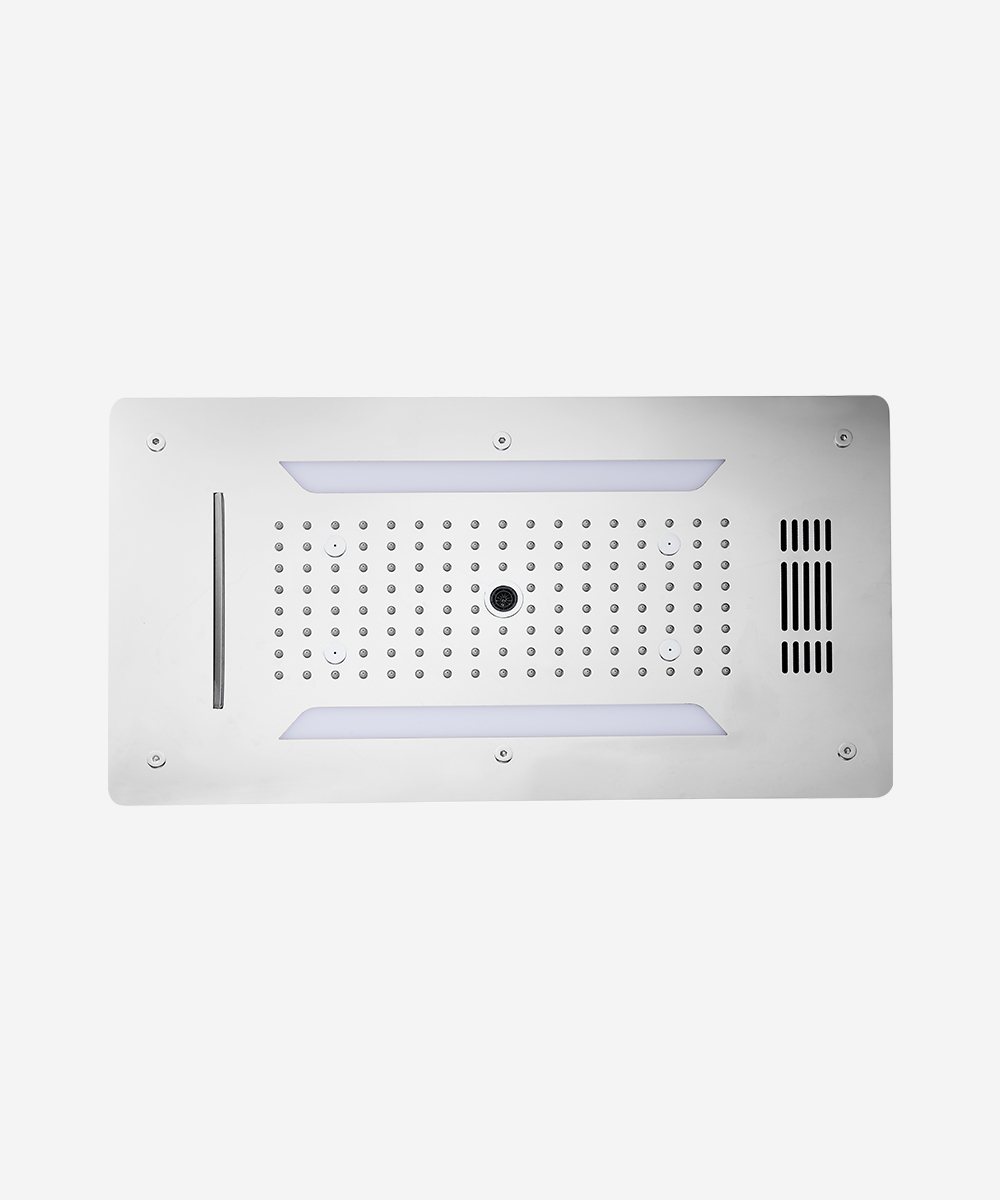
A concealed ceiling mounted shower is a shower system where the plumbing infrastructure—the water pipes and mixing valve—is hidden entirely within the ceiling and/or wall cavity. The only visible components are the shower head itself (the “trim”) and the control handles or plates, creating a seamless, minimalist, and architecturally stunning look.
Key Attributes:
Installation: Requires “rough-in” installation before walls and ceilings are finished.
Aesthetics: Offers a clean, uncluttered, and high-end appearance.
Functionality: Provides a unique, overhead rainfall or waterfall-style shower experience.
Components: Consists of two main parts: the “rough-in” valve (hidden) and the “trim” kit (visible).
In simple terms, what you see is just the beautiful “jewel in the ceiling”—the shower head. All the functional “engine” parts are elegantly tucked away, out of sight. This is a stark contrast to traditional showers where bulky pipes and valves are visibly mounted on the wall.
The 2025 Appeal: Why Upgrade to a Concealed Ceiling Shower?
The popularity of these systems has skyrocketed, and for good reason. The benefits go far beyond just looks, tapping into the core desires of modern homeowners.
Unparalleled Aesthetics and Minimalist Design: In 2025, the design trend is all about clean lines and uncluttered spaces. A concealed ceiling shower is the epitome of this philosophy. It eliminates visual noise, creating a calm, open, and expansive feel in your shower enclosure. It transforms the shower head from a mere utility into a striking piece of sculptural art.
The Ultimate Spa-Like Experience: This is perhaps the biggest draw. The feeling of water flowing directly down from above mimics a natural rainfall, providing full-body coverage that is both relaxing and incredibly effective at rinsing. This hydrotherapy experience is a key wellness trend, turning your daily shower into a moment of tranquility and stress relief. Many systems, like those offered by Stout Sanitary Ware, feature large-diameter shower heads with various spray patterns to customize this experience.
Space-Saving and Design Flexibility: With no fixtures protruding from the wall, you gain more usable space within the shower. This is especially beneficial for smaller bathrooms or walk-in shower designs where every inch counts. It also allows for more creative freedom with tile work and wall features, as you don’t have to plan around a wall-mounted valve and shower arm.
Increased Home Value: A concealed ceiling mounted shower is undeniably a luxury feature. It signals quality, thoughtful design, and modern amenities to potential buyers. Installing one is a significant investment that can substantially increase the resale value and marketability of your home, making it a wise financial decision for the future.
Deconstructing the System: Key Components Explained
To make an informed choice, you need to understand the parts that make up the system. A quality concealed shower system is comprised of three main elements: the shower head, the rough-in valve, and the trim kit.
1. The Shower Head (The “Trim”)
This is the most visible part and the star of the show. When choosing a shower head, consider:
Type: The most common is the rainfall shower head, which provides a gentle, soaking spray. Waterfall shower heads offer a single, wide sheet of water for a dramatic effect. Multi-function models allow you to switch between different spray patterns, from a soft rain to a more invigorating massage.
Size: Shower heads can range from a compact 8 inches to a luxurious 24 inches or more. The size you choose should be proportional to your shower space. Larger heads provide more coverage but require adequate water pressure.
Material: Look for durable, high-quality materials like 304 stainless steel or solid brass. These resist corrosion and maintain their finish for years. The collections at Stout Sanitary Ware often feature premium stainless steel construction for longevity and performance.
2. The Rough-In Valve (The “Engine”)
This is the most critical component of your system, and it’s completely hidden behind the drywall or tile. The rough-in valve is the heart that mixes hot and cold water and directs it to the shower head.
Why Quality Matters: A cheap valve is a recipe for disaster. Leaks behind a wall can cause catastrophic water damage. Always invest in a high-quality, reputable valve from a trusted manufacturer.
Pressure Balancing vs. Thermostatic:
A pressure-balancing valve maintains a consistent temperature by compensating for pressure changes (e.g., when a toilet flushes elsewhere in the house). It prevents scalding but the temperature can still fluctuate slightly.
A thermostatic valve is the 2025 standard for luxury. It allows you to pre-set a precise water temperature, which it then maintains constantly, regardless of pressure fluctuations. This offers superior safety and a more comfortable, consistent experience. Most premium systems, including those from Stout, utilize thermostatic technology.
3. The Trim Kit (The “Controls”)
The trim kit includes the visible parts you interact with: the control handles, knobs, and the decorative plates (escutcheons) that cover the holes in the wall.
Cohesion: It’s crucial that your trim kit matches the finish of your shower head (e.g., matte black, brushed gold, polished chrome). This creates a cohesive, designer look.
Functionality: The trim controls the thermostatic valve, allowing you to turn the water on/off and adjust the temperature and volume.
Your Buyer’s Guide: How to Choose the Perfect System in 2025
Ready to take the plunge? Follow this step-by-step guide to ensure you select the perfect system for your needs.
Step 1: Assess Your Home’s Water Pressure
This is the most important first step. Large, luxurious ceiling shower heads require sufficient water pressure to function correctly. Pressure is measured in PSI (pounds per square inch). For most ceiling showers, you’ll need a minimum of 45-50 PSI at the shower head. If you have low pressure, you may need a pump, or you might need to choose a smaller, more efficient shower head. It’s best to consult with a professional plumber to get an accurate reading.
Step 2: Choose Your Shower Head Style and Size
Consider the experience you want. Do you want a gentle, drenching rain? Go for a large, wide rainfall head. Do you want a more dramatic, modern look? A waterfall or multi-function head might be for you. Measure your shower enclosure to ensure the head you choose fits comfortably without feeling overwhelming. Browse the Stout Sanitary Ware collections to see the variety of styles and finishes available.
Step 3: Prioritize a Thermostatic Valve
For a true luxury experience and enhanced safety, insist on a thermostatic rough-in valve. The ability to set your perfect temperature once and have it remain constant is a game-changer. It’s a non-negotiable feature for a high-end bathroom in 2025.
Step 4: Consider the “Smart” Factor
The latest trend in bathroom technology is smart integration. Some high-end systems now offer digital controls, allowing you to:
Start and control your shower from your smartphone.
Use voice commands (e.g., “Hey Google, start my shower at 102 degrees”).
Set user profiles for different family members.
While this is a premium feature, it’s worth considering if you’re building a cutting-edge, future-proof home.
Step 5: Finalize Your Finish
The finish ties the entire look together. Matte black continues to be a dominant trend for its bold, modern look. Brushed gold and brass add warmth and elegance. For a timeless, clean look, polished chrome is always a safe bet. Ensure your shower head, trim kit, and any other bathroom fixtures (like faucets and towel bars) all share the same finish.
The Installation Process: What to Expect
We cannot stress this enough: the installation of a concealed ceiling mounted shower is not a DIY project. This is a complex job that requires a licensed, experienced plumber.
Here’s a simplified overview of the process so you know what to expect:
Rough-In Phase: This happens before the walls and ceiling are finished (e.g., before drywall or tile goes up). The plumber will install the rough-in valve and run the water supply lines to the ceiling location. This stage requires precise measurements to ensure the shower head will be perfectly centered and at the right height.
Wall/Ceiling Finishing: Once the plumbing is in place and inspected, the walls and ceiling are closed up with drywall, cement board, or tiled.
Trim Installation: This is the final, exciting step. After the surfaces are finished, the plumber will return to cut the precise holes for the shower head and controls. They will then install the shower head, the escutcheon plates, and the control handles, connecting them to the rough-in valve.
Proper planning is key. The location of the valve and the shower head must be meticulously planned during the rough-in phase, as changes are nearly impossible once the walls are up.
Frequently Asked Questions (FAQs)
Q1: How much does it cost to install a concealed ceiling mounted shower?
A: The total cost can vary widely depending on the quality of the fixtures, the complexity of the plumbing, and your geographic location. The materials themselves (shower head, valve, trim) can range from $500 to over $2,000. Professional installation labor can add another $1,000 to $3,000 or more, especially if significant plumbing rerouting is needed. Always get multiple quotes from licensed plumbers in your area.
Q2: Do I need high water pressure for a ceiling shower to work well?
A: Yes, adequate water pressure is crucial. Most rainfall-style shower heads require a minimum of 45-50 PSI to provide a satisfying spray instead of a disappointing trickle. Before you buy, have a professional plumber test your home’s water pressure to ensure it’s sufficient for the system you want.
Q3: Can I add body jets to my ceiling shower system?
A: Absolutely! Many modern rough-in valves are designed as “diverter” systems, allowing you to direct water to multiple outlets. You could have a system with the ceiling shower head, a handheld shower wand on a wall bar, and several body jets, all controlled from a single set of trim controls. This requires a more complex valve and planning, so it’s essential to discuss this with your plumber during the design phase.
Q4: Is it difficult to clean a large ceiling shower head?
A: Not at all. Most quality shower heads, like those from Stout Sanitary Ware, feature silicone nozzles that are easy to clean. A simple wipe with your finger can remove any mineral buildup. For a deeper clean, you can unscrew the head and soak it in a bag of vinegar to dissolve any stubborn deposits.
Q5: Can I retrofit a ceiling shower in my existing bathroom?
A: It is possible, but it is a major renovation. It requires opening up the ceiling below (if it’s an upstairs bathroom) or the ceiling in the bathroom itself to access the plumbing for the rough-in valve. This also involves significant drywall and painting work. While challenging, a skilled professional can often make it happen. Be sure to consult with a local plumber to assess the feasibility of a retrofit in your specific home.
Conclusion: Elevate Your Daily Ritual
A concealed ceiling mounted shower is more than just a bathroom fixture; it’s an investment in your home’s value, your daily well-being, and your personal sanctuary. It delivers an unmatched combination of minimalist design, spa-like functionality, and pure luxury. While the installation requires careful planning and professional expertise, the payoff is a stunning centerpiece that transforms your shower from a routine task into a cherished ritual.
Ready to bring the ultimate showering experience into your home? Explore the premium, expertly crafted collections of concealed ceiling showers and components at Stout Sanitary Ware to begin your bathroom transformation today.
Leave a comment