DIY or Professional? A Complete Guide to Shower Column Installation

DIY or Professional? A Complete Guide to Shower Column Installation

Installing a shower column can transform your daily routine into a spa-like experience, but the decision between DIY and professional installation impacts everything from cost to long-term reliability.

Whether you're upgrading your bathroom on a budget or investing in a luxury renovation, understanding the intricacies of shower column installation is crucial. This guide helps you decide based on skill level, budget, and bathroom requirements.

Understanding Shower Columns

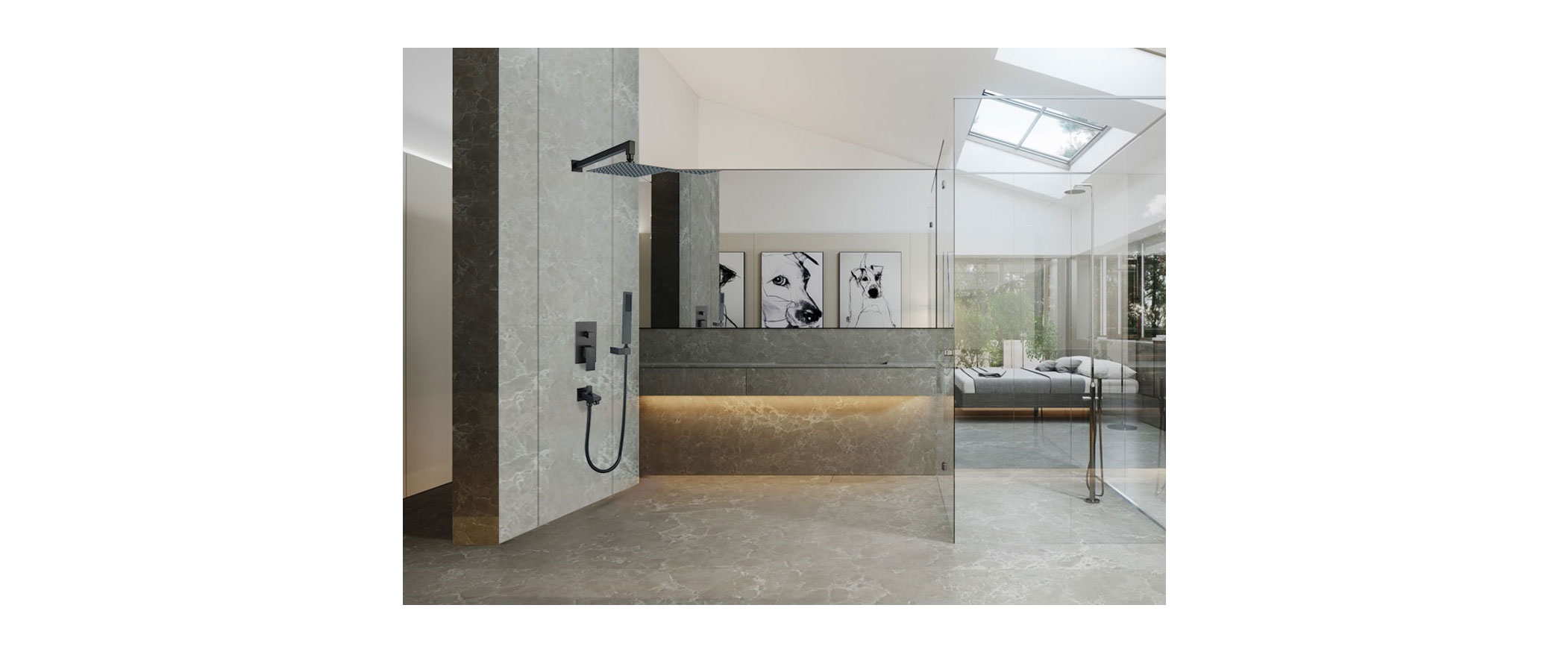
A shower column, also known as a shower panel, is an all-in-one unit that typically includes an overhead shower, handheld spray, body jets, and control valves mounted on a single panel.

These systems are popular for their sleek design and multifunctionality, delivering a premium bathing experience without extensive plumbing changes. Modern models may include LED lighting, thermostatic controls, and multiple spray patterns.

DIY vs. Professional Installation: At a Glance

Key Comparison Factors

  • Cost: DIY ($0–$200 for tools) vs Professional ($400–$2,000+ labor)
  • Time Required: DIY (4–8 hours) vs Professional (2–4 hours)
  • Skill Level: Intermediate to advanced vs None required
  • Warranty Protection: Risk of voiding vs Typically maintained
  • Code Compliance: Homeowner responsibility vs Professional responsibility

DIY Installation: Step-by-Step Guide

Pre-Installation Considerations

Before starting, ensure your bathroom meets plumbing code requirements. Shower compartments should have a minimum interior area of 900 square inches and minimum dimensions of 30 × 30 inches.

Tools and Materials Needed

  • Mounting hardware (usually included)
  • Level and measuring tape
  • Wrench set and drill
  • Pipe tape and silicone sealant
  • Protective gloves and safety gear

Installation Process

  • Prepare the area: Shut off water supply and clear the installation zone.
  • Mark mounting points: Use a level to ensure accuracy.
  • Connect water lines: Secure hot and cold connections using pipe tape.
  • Mount the column: Fix securely and recheck alignment.
  • Test the system: Restore water supply and inspect for leaks.

Pro Tip: Photograph existing plumbing before disconnecting any components. It simplifies reinstallation.

When to Call a Professional

  • Complex plumbing modifications
  • Warranty protection requirements
  • Digital, LED, or smart integrations
  • Local code compliance assurance

Common Installation Mistakes to Avoid

  • Improper waterproofing
  • Incorrect mounting height
  • Ignoring water pressure requirements
  • Skipping post-installation leak testing

Final Recommendations

Choose DIY installation if you have plumbing experience, proper tools, and a straightforward setup. Opt for professional installation if you want peace of mind, warranty protection, or have complex plumbing needs.

Investing in a quality shower column from a trusted manufacturer ensures durability, performance, and long-term satisfaction.

Expert Tip:

Even DIY installers can benefit from a professional consultation to review plumbing readiness and avoid costly mistakes.

How to Choose the Right Size and Type of Ceiling Shower for Your Bathroom

How to Choose the Right Size and Type of Ceiling Shower for Your Bathroom

Transform your daily routine into a spa-like experience with the perfect ceiling shower—where luxury meets functionality in a downpour of relaxation.

Choosing the right ceiling shower can transform your bathroom from a simple utility space into a luxurious retreat. With numerous options available in 2026, this comprehensive guide will help you navigate the selection process with confidence, ensuring the right balance of aesthetics, performance, and modern standards.

Understanding Ceiling Shower Systems

Ceiling-mounted shower heads, commonly known as rainfall or overhead showers, are installed directly into the ceiling, allowing water to fall vertically like natural rainfall. This design creates a spa-like atmosphere while providing even water distribution across the body.

Unlike traditional wall-mounted showers, ceiling systems offer a sleek, minimalist aesthetic that maximizes space and reduces visual clutter. They are especially popular in modern bathroom designs, new constructions, and full-scale renovations where plumbing flexibility allows optimal placement.

Key Factors for Selecting the Right Size

1. Bathroom Dimensions and Ceiling Height

Your bathroom’s physical dimensions play a critical role in selecting the correct ceiling shower size and installation height.

  • Minimum ceiling height: As per the 2021 International Residential Code, showers require a minimum ceiling height of 6 feet 8 inches (2032 mm).
  • Optimal installation height: Most ceiling showers are installed around 80 inches (203 cm) from the floor for user comfort.
  • Space considerations: Larger shower heads (16–24 inches) are ideal for spacious bathrooms, while compact 8–12 inch models suit smaller enclosures.

2. Shower Size and Water Coverage

The size of your shower enclosure directly influences the ideal ceiling shower dimensions and coverage.

  • 32" x 32": 8–12 inch shower head for focused rainfall coverage.
  • 36" x 42": 12–16 inch shower head for full-body coverage.
  • 48" x 48" and above: 16–24 inch shower head for a luxury rainfall experience.

3. Water Pressure Considerations

Water pressure plays a crucial role in ceiling shower performance and comfort.

  • Optimal pressure: Most ceiling showers perform best between 30–90 PSI.
  • Flow rate regulations: U.S. standards limit shower heads to 2.5 GPM, while WaterSense models use 2.0 GPM or less.
  • Indian standards: Typical residential systems operate at 9.5 LPM with 5.5 bar pressure.

Types of Ceiling Shower Systems

1. Basic Rainfall Showers

These systems provide a consistent, natural rain-like flow and are ideal for budget-conscious upgrades focused on comfort and simplicity.

2. Multi-Function Systems

Advanced ceiling showers offer multiple spray modes such as rainfall, mist, and waterfall. These systems require multiple supply lines but deliver a versatile and luxurious bathing experience.

3. LED-Integrated Showers

LED ceiling showers add ambient lighting and visual appeal. Some models change color based on water temperature, enhancing both aesthetics and safety.

4. Smart Shower Systems

Smart ceiling showers feature app-based controls, Bluetooth connectivity, and customizable settings, catering to tech-savvy homeowners seeking convenience and personalization.

Installation Considerations

Ceiling showers require specialized plumbing, including concealed valves, adequate supply lines, and reinforced ceiling support for larger units.

Professional installation is strongly recommended due to waterproofing requirements, electrical work for LED systems, and warranty considerations.

Maintenance and Longevity

  • Regular cleaning to remove mineral deposits.
  • Periodic inspection for leaks or blockages.
  • Annual professional servicing for advanced systems.

Conclusion

Selecting the right ceiling shower is a balance of size, pressure, features, and installation feasibility. When chosen correctly, it enhances daily routines and elevates your bathroom into a spa-like retreat.

Expert Tip:

Consult a bathroom design professional before finalizing your purchase to ensure optimal performance, compliance, and long-term satisfaction.

Top 5 Benefits of Installing a Concealed Ceiling Shower (Rainfall, Mist, Waterfall)

The modern bathroom of 2026 has evolved from a purely functional space into a personal wellness sanctuary. As architectural trends shift toward minimalism and spa-like luxury, the Concealed Ceiling Shower has emerged as the centrepiece of contemporary bathroom design.

To answer the primary question directly: Installing a concealed ceiling shower provides a seamless aesthetic, maximises spatial efficiency, and delivers superior hydrotherapy through specialised functions like rainfall, mist, and waterfall modes.

This guide breaks down the top 5 benefits of upgrading to a concealed ceiling system, offering insights for homeowners and designers looking to enhance their bathing experience.

1. The Minimalist Aesthetic: Seamless Design and Space

In 2026 interior design, the "Clutter-Free" entity is paramount. Traditional wall-mounted showers often feature visible pipes, bulky arms, and exposed mounting hardware that disrupt the visual flow of the bathroom.

The "Concealed" Advantage

A concealed ceiling shower hides all plumbing and piping behind the ceiling or a false wall. The only visible component is the sleek shower head flush with the ceiling.

  • Visual Expansion: Without protruding hardware, the ceiling feels higher, and the room feels larger. This is critical for urban apartments where spatial optimisation is essential.
  • Clean Lines: The seamless look creates a sophisticated, high-end finish that complements other modern fixtures like floating vanities and backlit mirrors.

Expert Tip: For the ultimate minimalist look, choose a square or round flush-mounted ceiling plate in a matte black or brushed gold finish. These trending finishes dominate the 2026 market.

2. The Rainfall Experience: Full-Body Immersion

The Rainfall Shower is not just a spray pattern; it is a sensory experience designed to mimic the soothing sensation of standing in a warm, tropical downpour.

Gravity-Flow Dynamics

Unlike wall showers that shoot water at an angle, ceiling-mounted rainfall showers rely on gravity. The water falls vertically, creating a "drenching" effect that covers the entire body simultaneously.

  • Muscle Relaxation: The broad coverage allows the water to heat the body evenly, relaxing muscles faster than concentrated jets.
  • No Eye Irritation: Because the water flows straight down, there is no spray aimed at the face or eyes, making it a gentler experience for users.

Best For: Morning routines where a quick, full-body soak is needed to wake up, or evening routines to wash away stress.

3. The Mist Mode: Advanced Hydrotherapy and Skin Care

As we move into 2026, the health and wellness entity of bathroom fixtures is becoming increasingly important. Mist Showers (or fog showers) are a specialized function available in advanced ceiling shower systems.

Micro-Droplet Technology

Mist modes emit water in extremely fine droplets (micronized). This creates a cloud-like steam effect rather than a heavy spray.

  • Deep Cleansing: The mist penetrates pores more effectively than standard water, providing a deeper clean and helping to hydrate the skin.
  • Thermal Regulation: Mist showers often feel hotter than they are, allowing for a luxurious spa experience while conserving water.

4. The Waterfall Feature: Dramatic Visuals and Acoustic Therapy

The Waterfall Shower is the definition of bathroom luxury. Instead of spraying through small nozzles, water flows out through a wide, slit-type spout, creating a solid sheet of water.

The Sensory Entity

  • Visual Drama: Watching a sheet of water cascade from the ceiling adds a kinetic sculpture element to the bathroom.
  • Sound Therapy: The sound of rushing water creates white noise, transforming the shower into a meditation zone.

5. Increased Property Value and Smart Home Compatibility

Installing a concealed ceiling shower is a long-term investment in the property entity, signalling quality and attention to detail.

Future-Proofing (2026 Standard)

  • Digital Valves: Touchscreen or app-based control for temperature, flow, and lighting.
  • Water Efficiency: Advanced aerators maintain pressure while reducing water usage.

Why Choose Stout Sanitaryware for Your Ceiling Shower?

Upgrading to a concealed system requires precision engineering and durable materials. This is where Stout Sanitaryware excels.

  • Anti-Clog Nozzles for Rainfall and Mist modes.
  • Corrosion-resistant finishes for humid environments.
  • Modular designs for easy installation and maintenance.

Conclusion

The shift toward concealed ceiling showers represents a move toward holistic wellness and architectural purity. By combining Rainfall immersion, Mist hydrotherapy, and Waterfall aesthetics, these systems transform daily bathing into a multi-sensory retreat.

For homeowners looking to future-proof their bathroom and add tangible property value, a concealed ceiling shower system is the definitive choice for 2026.

Ready to transform your bathroom experience?

Explore the Premium Collection of Ceiling Showers at Stout Sanitaryware

Understanding the Features of a Modern Shower Column (Thermostatic Valves, Body Jets, Handshowers)

The bathroom of 2026 is no longer just a utility space; it is a technologically advanced wellness hub. At the heart of this transformation is the Shower Column, also known as a Shower Panel. This all-in-one fixture integrates diverse water delivery systems into a single, sleek unit, transforming the daily shower into a customizable spa experience.

To answer the question simply: A modern shower column combines thermostatic temperature control, targeted hydrotherapy via body jets, and the flexibility of a hand shower into a unified vertical panel.

1. The Core Control: Thermostatic Valves

The brain of a modern shower column is the thermostatic valve. Unlike standard pressure-balancing valves, which only regulate pressure, thermostatic valves respond directly to changes in water temperature.

How It Works

The valve contains a wax or liquid-filled element that expands and contracts based on water temperature. When the water becomes too hot, the element expands to restrict hot water flow, and when it cools, it contracts to allow more hot water.

User Benefits in 2026

  • Precise Temperature Control: Users can set and maintain an exact preferred temperature consistently.
  • Safety: Built-in safety stops at 38–40°C prevent accidental scalding.
  • Instant Adjustment: The valve shuts off automatically if cold water supply fails.

Expert Insight: When choosing a shower column, ensure the thermostatic unit is made from brass rather than plastic. Brass offers superior durability and faster heat response. Stout Sanitaryware uses high-grade brass cartridges to ensure precision and longevity.

2. Hydrotherapy: Body Jets

Positioned along the vertical spine of the column, body jets are adjustable nozzles that spray water horizontally at the torso, back, and legs to provide therapeutic benefits.

The Massage Effect

  • Targeted Relief: Jets are positioned to relieve tension in the lower back and shoulders.
  • Circulation Boost: High-pressure sprays stimulate blood flow and muscle recovery.
  • Customization: Rotatable nozzles allow precise targeting of muscle groups.

Technical Consideration: Body jets require adequate water pressure, typically 2–3 bar. Homes with lower pressure should choose pump-compatible or flow-boosted shower columns.

3. Flexibility and Utility: Handshowers

The hand shower is the most versatile component of a shower column, featuring a spray head attached to a flexible hose and mounted on a vertical slide rail.

Key Functions

  • Enables easy cleaning of shower enclosures and corners.
  • Ideal for rinsing hair, bathing children, or washing pets.
  • Supports mobility needs by allowing seated bathing via adjustable slide bars.

Spray Patterns

  • Rain Spray: Wide, gentle coverage.
  • Massage Spray: Focused pulsating jets.
  • Mist Spray: Fine, water-saving mist.

4. The Overhead Fixture: Rainfall and Waterfall

Most modern shower columns include a top-mounted overhead shower offering rainfall immersion or waterfall flow, both controlled via the main diverter for effortless switching between functions.

5. Why Choose a Shower Column Over Traditional Fixtures?

  • Ease of Installation: Requires only one hot and one cold water inlet.
  • Unified Aesthetic: Conceals all plumbing within a clean vertical panel.
  • Cost-Effectiveness: Delivers luxury functionality without complex plumbing or high labor costs.

6. The Stout Sanitaryware Standard

Stout Sanitaryware manufactures shower columns designed to meet the performance, durability, and safety expectations of the 2026 market.

  • Durability: Stainless Steel 304 and high-grade brass construction.
  • Finishing: PVD coatings resist scratches, corrosion, and tarnishing.
  • Ease of Maintenance: Rub-clean silicone nozzles prevent limescale buildup.

Conclusion

A modern shower column is a refined combination of safety, wellness, and functionality. It simplifies plumbing while delivering a premium showering experience.

By understanding thermostatic protection, hydrotherapy benefits, and hand shower versatility, homeowners can confidently select a system that fits their lifestyle.

Explore the Premium Shower Column Collection at Stout Sanitaryware and elevate your daily bathing experience.

bathroom accessories in India

The Durability and Care of PVD Coated Shower Sets: What You Need to Know (2026 Guide)

In the landscape of modern bathroom design, the finish of your fixtures is just as critical as their functionality. As we move into 2026, PVD Coating (Physical Vapour Deposition) has established itself as the industry standard for high-end shower sets, offering a superior alternative to traditional electroplating with aesthetic brilliance and industrial-grade toughness.

To answer the primary question directly: PVD coated shower sets are highly durable because the coating is molecularly bonded to the base metal, making them resistant to scratches, tarnish, and corrosion. However, they require specific care using non-abrasive cleaning agents to maintain their lustre.

1. Understanding PVD Coating Technology

Before discussing care, it is important to understand what makes PVD technology unique. Unlike standard electroplating that relies on chemical baths, PVD is a high-precision vacuum-based process.

The Process:

  • Preparation: Solid brass fixtures are polished to a mirror finish.
  • Vacuum Chamber: The fixture is placed inside a controlled vacuum environment.
  • Vaporization: Metals such as titanium or zirconium are vaporized using an electric arc.
  • Deposition: The vapor reacts with gases like nitrogen and bonds to the surface as a thin, ultra-hard film.

This molecular bonding ensures the finish is not layered on top but becomes part of the metal itself, making it nearly ten times harder than traditional chrome plating.

2. Durability Factors of PVD Coated Shower Sets

Choosing a PVD coated shower set from a trusted brand like Stout Sanitaryware means investing in long-term durability designed for demanding bathroom environments.

A. Scratch and Abrasion Resistance

PVD coatings score approximately 9 on the Mohs hardness scale, making them extremely resistant to scratches from jewelry, razors, or cleaning tools and preventing exposure of the base metal.

B. Corrosion and Tarnish Resistance

PVD coating forms a protective seal that blocks moisture and oxygen, preventing corrosion and tarnishing even in coastal areas or regions with hard water, ensuring finishes like matte black or brushed gold remain unchanged for years.

C. UV Stability

PVD finishes are chemically inert and UV stable, making them ideal for bathrooms with skylights or natural sunlight exposure without fading or discoloration.

3. Popular PVD Finishes in 2026

  • PVD Matte Black: A bold, modern finish offering strong contrast against light tiles without chipping or fading.
  • PVD Brushed Gold: Provides luxurious appeal without the maintenance issues of real gold plating.
  • PVD Gunmetal Grey: A contemporary, industrial finish gaining popularity in minimalist interiors.

4. Care and Maintenance Guidelines

Although PVD finishes are highly durable, proper care is essential to preserve their appearance and maintain warranty coverage.

Recommended Cleaning Materials: Soft microfiber cloth, mild pH-neutral dish soap, and warm water.

Routine: Wipe fixtures after every shower to prevent mineral buildup, and perform a gentle weekly clean using warm soapy water followed by immediate drying.

Critical Don’ts

  • Avoid abrasive pads or steel wool that cause micro-scratches.
  • Do not use bleach, ammonia, acids, or harsh chemical cleaners.
  • Avoid aggressive limescale removers; use diluted vinegar only briefly and rinse thoroughly.

5. Troubleshooting Common Issues

White Water Spots: Caused by mineral deposits; clean gently using a diluted vinegar solution without scrubbing.

Sticky Residue: Resulting from beauty products; remove with warm soapy water or minimal rubbing alcohol followed by immediate rinsing.

6. Why Choose Stout Sanitaryware for PVD Fixtures?

The effectiveness of PVD coating depends on the quality of the base material and application process, both of which Stout Sanitaryware rigorously controls.

  • Solid brass construction for durability and weight.
  • Multi-stage ultrasonic cleaning before coating.
  • Warranty-backed finishes engineered for long-term performance.

Conclusion

PVD coating represents the pinnacle of modern sanitaryware technology, offering long-lasting beauty, color stability, and superior resistance to wear.

With proper care and non-abrasive cleaning, PVD coated shower sets remain visually flawless for decades.

Explore the PVD Coated Shower Collection at Stout Sanitaryware and upgrade your bathroom with lasting durability.

Solving Low Water Pressure Issues: Choosing the Right Shower for Indian Homes (2026 Guide)

In the landscape of Indian residential infrastructure, water pressure variability remains a persistent challenge. Whether due to municipal supply schedules, the height of overhead tanks, or narrow plumbing pipes, a weak shower can turn a relaxing routine into a frustrating chore.

The right shower for Indian homes with low water pressure utilises air-injection technology to increase spray velocity, features concentrated spray patterns, and includes easy-clean nozzles to prevent clogging from hard water.

1. The “Low Pressure” Reality in Indian Homes

Before choosing a fixture, it is essential to understand the specific constraints of Indian plumbing. Unlike Western countries with constant municipal pressure, many Indian homes rely on gravity-fed systems from overhead tanks.

The Gravity Factor: A tank on the roof provides roughly 0.1 bar of pressure per meter of height. With a 5–6 meter difference, pressure often remains between 0.5 and 0.8 bar, which is barely sufficient for standard showers.

Pipe Width: Older homes commonly use 0.5-inch pipes that restrict water flow compared to modern 0.75-inch plumbing standards.

Expert Insight: Homes with pressure pumps can support luxury showers. However, most gravity-fed or inconsistent municipal systems require fixtures designed specifically for low-pressure conditions.

2. Feature One: Air-Injection Technology (Eco-Boost)

Air-injection technology is one of the most impactful innovations for low-pressure showers in 2026, often marketed as Eco-Jet, Air-Gear, or Oxygen-Infused systems.

How It Works: The shower head pulls air into the water stream through the faceplate, mixing it with flowing water.

The Benefit: This creates larger, softer droplets that feel heavier and fuller on the skin.

The Efficiency: Even with low flow rates, air injection delivers a high-pressure feel while conserving water. Stout Sanitaryware integrates this technology into its overhead showers for consistent performance in Indian homes.

3. Feature Two: Nozzle Engineering and Hole Size

Smaller, well-engineered nozzle designs increase water velocity. This principle allows low-pressure showers to feel more powerful without increasing supply pressure.

Avoid Wide Rainfall Spreaders: Large flat heads with hundreds of micro-holes require high pressure. In low-pressure homes, water trickles from the center only.

Choose Focused Spray Designs: Look for shower heads with fewer but slightly larger holes that allow water to flow freely.

Silicone Nozzles: Flexible silicone nozzles resist limescale buildup and can be cleaned easily by rubbing, maintaining consistent water flow in hard-water regions.

4. Best Shower Types for Low Water Pressure Homes

A. High-Pressure Hand Showers (Top Recommendation)

Hand showers offer superior control by allowing users to adjust distance, instantly improving perceived pressure.

What to Look For: Multi-function hand showers with massage or spray modes provide powerful jets ideal for rinsing thick hair and daily use. Stout Sanitaryware models feature durable click-buttons that hold their selected mode securely.

B. Medium Overhead Showers (250–300 mm)

Smaller overhead showers balance coverage and pressure, ensuring water reaches the edges of the spray pattern without requiring booster pumps.

C. What to Avoid: Ceiling Waterfalls

Waterfall showers depend heavily on strong pressure. Without a pump, they often perform poorly and should be avoided unless plumbing upgrades are planned.

5. Maintenance Tips to Preserve Water Pressure

In many cases, low pressure is caused by clogged filters rather than supply limitations.

Mesh Filter Check: Clean the mesh screen inside the shower hose regularly to remove rust and sediment, often restoring full pressure instantly.

6. When to Install a Booster Pump

If pressure remains below 0.3 bar despite proper fixtures and maintenance, a booster pump may be necessary.

Check Water Source: Confirm municipal or borewell supply consistency.

Install a Pump: A 0.5 HP or 1 HP pump enables full use of luxury showers. Stout Sanitaryware shower sets are designed to remain compatible with pressurized systems.

Conclusion

Low water pressure does not mean compromising on comfort. By selecting air-injection technology, optimized nozzle designs, and suitable shower formats, Indian homeowners can dramatically improve their shower experience.

The key is matching the fixture to existing infrastructure rather than forcing unsuitable designs.

Explore the High-Performance Shower Collection at Stout Sanitaryware and transform your daily routine.

What is a Concealed Ceiling Mounted Shower and Why is it Trending in Modern Bathrooms?

Introduction: The Rise of Spa-Like Bathrooms

In 2025, the bathroom has evolved from a purely functional space into a personal wellness retreat. At the forefront of this transformation is the concealed ceiling mounted shower, a fixture that combines architectural minimalism with luxurious functionality. This innovative shower design, where all plumbing is hidden above the ceiling and only the sleek shower head is visible, has become a hallmark of modern bathroom design.

The trend toward concealed ceiling showers reflects broader shifts in interior design such as clean lines, smart technology, and a desire for hotel-like luxury at home. As homeowners increasingly invest in bathroom renovations, they are choosing fixtures that offer both aesthetic sophistication and enhanced sensory experiences.

Understanding Concealed Ceiling Mounted Showers

A concealed ceiling mounted shower is a shower system installed directly into the ceiling, with all pipes, valves, and fittings hidden behind the ceiling surface. The only visible components are typically the shower head face plate and wall-mounted controls.

Key Components

  • Shower Head: Mounted flush with the ceiling and available in square, round, or rectangular designs.
  • Concealed Plumbing: All water supply lines hidden above the ceiling.
  • Control Valve: Wall-mounted thermostatic controls for precise temperature management.
  • Optional Features: LED lighting, handheld showers, and multiple spray patterns.

How It Differs from Traditional Showers

  • Eliminates visual clutter by hiding pipes and fittings.
  • Provides overhead water distribution that mimics natural rainfall.
  • Allows flexible installation without existing pipe constraints.
  • Creates a seamless aesthetic that integrates with ceiling architecture.

Why Concealed Ceiling Showers Are Dominating 2025 Bathroom Trends

1. Minimalist Aesthetic Movement

  • Creates seamless visual lines that blend with ceiling architecture.
  • Frees up wall space for storage or decorative elements.
  • Offers a premium, customized appearance.

2. Spa-Like Wellness Experience

  • Gentle rainfall coverage for full-body immersion.
  • Multiple spray patterns such as rainfall, mist, and waterfall.
  • Reduced pressure impact through wider water distribution.
  • Enhanced relaxation compared to wall-mounted showers.

3. Technological Integration

  • Smart digital controls with temperature memory.
  • LED chromotherapy lighting for mood enhancement.
  • Water-saving technology with maintained pressure.
  • Voice and app-based control in premium models.

4. Space Optimization

  • Ideal for compact urban bathrooms.
  • Compatible with curbless and aging-in-place designs.
  • Creates visual height and openness.
  • Flexible placement independent of pipe layout.

5. Property Value Enhancement

  • Adds perceived luxury to homes.
  • Acts as a differentiating feature in competitive markets.
  • Provides timeless appeal and buyer attraction.

Installation Considerations

Technical Requirements

  • Ceiling access for concealed plumbing.
  • Water pressure of at least 2.5 bar.
  • Multiple supply lines for multifunction units.
  • Structural support and waterproofing.

Expert Tip: Always hire certified installers experienced with concealed systems to ensure waterproofing integrity and pressure efficiency.

Conclusion

Concealed ceiling mounted showers represent a fundamental shift in bathroom design. By blending architectural integration, wellness-driven features, and smart technology, they transform everyday showers into luxurious rituals while adding lasting value to homes.

As 2025 progresses, the demand for spa-like bathrooms will continue to grow. Choosing a concealed ceiling shower from a trusted brand like Stout Sanitaryware offers both immediate comfort and long-term investment value through timeless design and enhanced functionality.

Shower Column vs. Traditional Shower Set: Which is Better for Your Home?

A shower column is a self-contained shower unit that integrates multiple water functions into a single vertical panel. Typically mounted from the ceiling or high on the wall, it combines an overhead shower head, handheld spray, body jets, and controls into one streamlined system.

These all-in-one units are designed to provide a comprehensive showering experience without the need for multiple separate fixtures and exposed plumbing.

Shower columns have gained popularity in modern bathrooms for their space-saving design and multi-functional capabilities, making them especially appealing for homeowners seeking a spa-like experience at home.

What Is a Traditional Shower Set?

A traditional shower set consists of individual components purchased separately, including a shower head, control valve, and often a handheld spray unit. These components are installed independently with visible pipes and connections, creating a more customizable but less integrated look.

Traditional setups allow mixing and matching of different brands and styles but often result in a cluttered appearance due to exposed plumbing that may disrupt the bathroom’s visual flow.

Key Differences at a Glance

  • Installation: Shower columns use a single integrated unit, while traditional shower sets require installing multiple separate components.
  • Space Efficiency: Shower columns are ideal for small bathrooms, whereas traditional sets require more wall space.
  • Aesthetic: Shower columns offer a sleek, minimalist look, while traditional sets have visible pipes and connections.
  • Customization: Shower column functions are fixed per model, while traditional systems allow full customization.
  • Water Pressure: Shower columns are engineered for balanced performance, while traditional sets depend on individual component quality.
  • Maintenance: Shower columns are easier to clean as a single unit, whereas traditional systems require cleaning multiple parts.

Performance Comparison

Water Flow and Coverage

Shower columns are engineered to provide balanced water distribution across all functions, maintaining consistent pressure even when multiple outlets operate simultaneously.

Traditional shower sets offer flexibility in spray patterns but may experience pressure fluctuations when multiple components are used together, depending heavily on system compatibility.

Spray Patterns and Functions

  • Shower Columns: Typically offer 3–6 integrated functions such as rainfall, waterfall, mist, and massage jets.
  • Traditional Sets: Functionality depends on selected components and may not integrate seamlessly.

Expert Insight: Shower columns allow easy switching between functions without adjusting multiple controls, making them ideal for users who value convenience and variety.

Design and Aesthetic Impact

Visual Appeal

The minimalist design of shower columns aligns perfectly with 2025 bathroom trends, emphasizing clean lines and concealed plumbing for a seamless, high-end look.

Traditional shower sets can suit classic interiors but often create visual clutter due to exposed components and mismatched fixtures.

Space Optimization

  • Vertical design minimizes footprint.
  • Wall space remains available for storage or décor.
  • Ideal for compact bathroom layouts.

Installation and Maintenance

Installation Complexity

Shower columns typically require professional installation due to concealed plumbing, possible electrical integration for LED features, and precise alignment requirements.

Traditional shower sets are easier to install and troubleshoot, making them more suitable for DIY or phased renovations.

Maintenance Requirements

  • Shower Columns: Single surface cleaning with anti-clog nozzles.
  • Traditional Sets: Multiple joints and components require regular maintenance.

Cost Considerations

Shower Columns: ₹15,000 to ₹65,000+ depending on features and finish.

Traditional Sets: ₹8,000 to ₹25,000 for basic to mid-range options.

Although shower columns require a higher upfront investment, they offer better durability, water efficiency, and property value enhancement over time.

Who Should Choose Which?

Choose a Shower Column If:

  • You have limited wall space.
  • You prefer a minimalist, modern aesthetic.
  • You want multiple shower functions in one unit.
  • You are renovating and can conceal plumbing.

Choose a Traditional Shower Set If:

  • You want full customization.
  • You have ample wall space.
  • You are working within a limited budget.
  • You prefer easy future upgrades.

Conclusion: Making the Right Choice

Choosing between a shower column and a traditional shower set depends on your space, design preferences, budget, and lifestyle. Shower columns offer integrated luxury and efficiency for modern homes, while traditional systems provide flexibility and classic appeal.

Whichever option you choose, investing in high-quality products from trusted brands like Stout Sanitaryware ensures durability, performance, and long-term satisfaction with your daily shower experience.

bathroom accessories in India

How to Match Your Bathroom Fixtures: A Guide to Coordinating Special Finishes

Bathroom fixture finishes refer to the surface coating that protects and enhances the appearance of fixtures like faucets, shower heads, towel racks, and accessories. The right finish not only ensures durability but also sets the tone for your entire bathroom accessories.

Types of Bathroom Fixture Finishes

  • Chrome: Classic, versatile, and highly reflective.
  • Brushed Nickel: Soft, warm tone with a subtle sheen.
  • Matte Black: Bold, contemporary, and light-absorbing.
  • Brass/Gold: Warm, luxurious, and traditionally elegant.
  • Stainless Steel: Industrial, durable, and corrosion-resistant.

Expert Insight: “The finish you choose becomes the jewelry of your bathroom—it should complement both your style and your lighting,” notes Stout Sanitaryware’s design team.

Bathroom Finish Trends for 2025

Bathroom design trends in 2025 emphasize personalized expression and sophisticated coordination, moving away from uniform finishes toward intentional contrast and texture.

1. Mixed Metal Finishes

Designers are confidently mixing metal finishes to create depth and visual interest. Popular combinations include matte black fixtures with brushed nickel accents, brass faucets paired with chrome hardware, and polished nickel balanced with matte black accessories.

2. Organic and Textured Finishes

Natural textures are dominating modern bathrooms, with brushed brass, oil-rubbed bronze, matte surfaces, and living finishes that develop character and patina over time.

3. Statement Finishes

Bold finishes such as gold, brass, matte black, and custom colors are being used as focal points that enhance tilework and wall treatments.

Guiding Principles for Finish Coordination

1. Create a Finish Hierarchy

Select one dominant finish for 60–70% of the bathroom and a secondary finish for 20–30%, allowing contrast while maintaining harmony.

2. Consider Your Lighting

Warm lighting enhances brass and gold tones, while cool lighting complements chrome and nickel. Natural light works with most finishes but can shift undertones.

3. Coordinate with Fixed Elements

Always align fixture finishes with permanent elements like tiles, countertops, architectural hardware, and textiles.

4. Use the 60–30–10 Rule

Apply your dominant finish to 60% of visible surfaces, secondary finish to 30%, and reserve 10% for accent details to ensure balance.

Step-by-Step Coordination Guide

  • Assess your bathroom and existing fixtures.
  • Choose your dominant finish.
  • Select complementary supporting finishes.
  • Map fixture placement by finish.
  • Purchase fixtures with coordination in mind.
  • Style with cohesive accessories.

Common Finish Coordination Mistakes

  • Ignoring permanent elements like tiles and flooring.
  • Using too many metal finishes.
  • Disregarding lighting impact.
  • Matching finishes without considering space size.
  • Prioritizing looks over durability and usability.

Maintenance and Care

Chrome: Clean with soft cloth and mild cleaner.

Brushed Nickel: Use soap and water, dry thoroughly.

Matte Black: Microfiber cloth cleaning recommended.

Brass: Use specialized brass cleaners, avoid abrasives.

Conclusion

Coordinating bathroom fixture finishes is both an art and a science. By understanding finish types, following 2025 trends, and applying structured coordination principles, you can create a bathroom that feels cohesive, elegant, and deeply personal.

Whether you prefer bold contrasts or timeless classics, thoughtful finish selection transforms everyday routines into refined experiences. Explore coordinated collections from Stout Sanitaryware to bring your bathroom vision to life.

Types of Shower Heads: Rainfall, Handheld, Multi-function Which Suits You Best?

In 2025, the bathroom has transcended its utilitarian origins to become a personal wellness retreat. At the forefront of this transformation is the concealed ceiling mounted shower—a fixture that combines architectural minimalism with luxurious functionality. This innovative shower design, where all plumbing is hidden above the ceiling and only the sleek shower head is visible, has become a hallmark of modern bathroom design.

The trend toward concealed ceiling showers reflects broader shifts in interior design such as clean lines, smart technology, and a desire for hotel-like luxury at home. As homeowners increasingly invest in bathroom renovations, they are choosing fixtures that offer both aesthetic sophistication and enhanced sensory experiences.

Understanding Concealed Ceiling Mounted Showers

A concealed ceiling mounted shower is a shower system installed directly into the ceiling, with all pipes, valves, and fittings hidden behind the ceiling surface. The only visible components are typically the shower head faceplate and wall-mounted controls.

Key Components:

  • Shower Head: Mounted flush with the ceiling, available in square, round, or rectangular designs.
  • Concealed Plumbing: All water supply lines hidden above the ceiling.
  • Control Valve: Wall-mounted thermostatic controls for temperature and flow regulation.
  • Optional Features: LED lighting, handheld showers, and multiple spray modes.

How It Differs from Traditional Showers:

  • Eliminates visual clutter by hiding pipes and fittings.
  • Provides overhead water flow that mimics natural rainfall.
  • Offers flexible placement without dependence on existing wall pipe positions.

Why Concealed Ceiling Showers Are Dominating 2025 Bathroom Trends

1. Minimalist Aesthetic Movement

Concealed ceiling showers support the 2025 design movement toward uncluttered spaces by creating seamless ceiling lines, freeing wall space, and delivering a premium, custom-built appearance that reflects thoughtful architectural planning.

2. Spa-Like Wellness Experience

Designed to replicate luxury spa environments, ceiling showers offer gentle rainfall coverage, multiple spray modes such as mist and waterfall, reduced pressure harshness, and a deeply relaxing bathing experience compared to wall-mounted alternatives.

3. Technological Integration

  • Digital temperature displays with memory settings.
  • LED chromotherapy lighting for mood enhancement.
  • Voice control, app connectivity, and water-saving technology.

4. Space Optimization

Ceiling-mounted showers are ideal for urban bathrooms where wall space is limited. They enhance spatial perception, support curbless layouts, and integrate well with accessibility-focused designs.

5. Property Value Enhancement

Real estate experts highlight concealed ceiling showers as luxury upgrades that increase property value, differentiate homes in competitive markets, and offer timeless appeal that does not quickly date.

Benefits of Concealed Ceiling Mounted Showers

Aesthetic Advantages: Hidden plumbing, clean ceiling integration, freed wall space, and a luxury hotel-inspired look.

Functional Benefits: Even water distribution, customizable spray patterns, reduced splashing, and easy maintenance.

Space-Saving Advantages: Ideal for compact bathrooms, flexible layouts, and visually open environments.

Installation Considerations

Installing a concealed ceiling shower requires ceiling access, adequate water pressure, multiple supply lines for multifunction units, reinforced support structures, and high-quality waterproofing.

Expert Tip: Always use certified professionals experienced in concealed systems to ensure proper pressure management and leak prevention.

Featured Products: Stout Sanitaryware Collection

Stout Sanitaryware offers a premium range of concealed ceiling mounted showers engineered with quality materials and modern functionality.

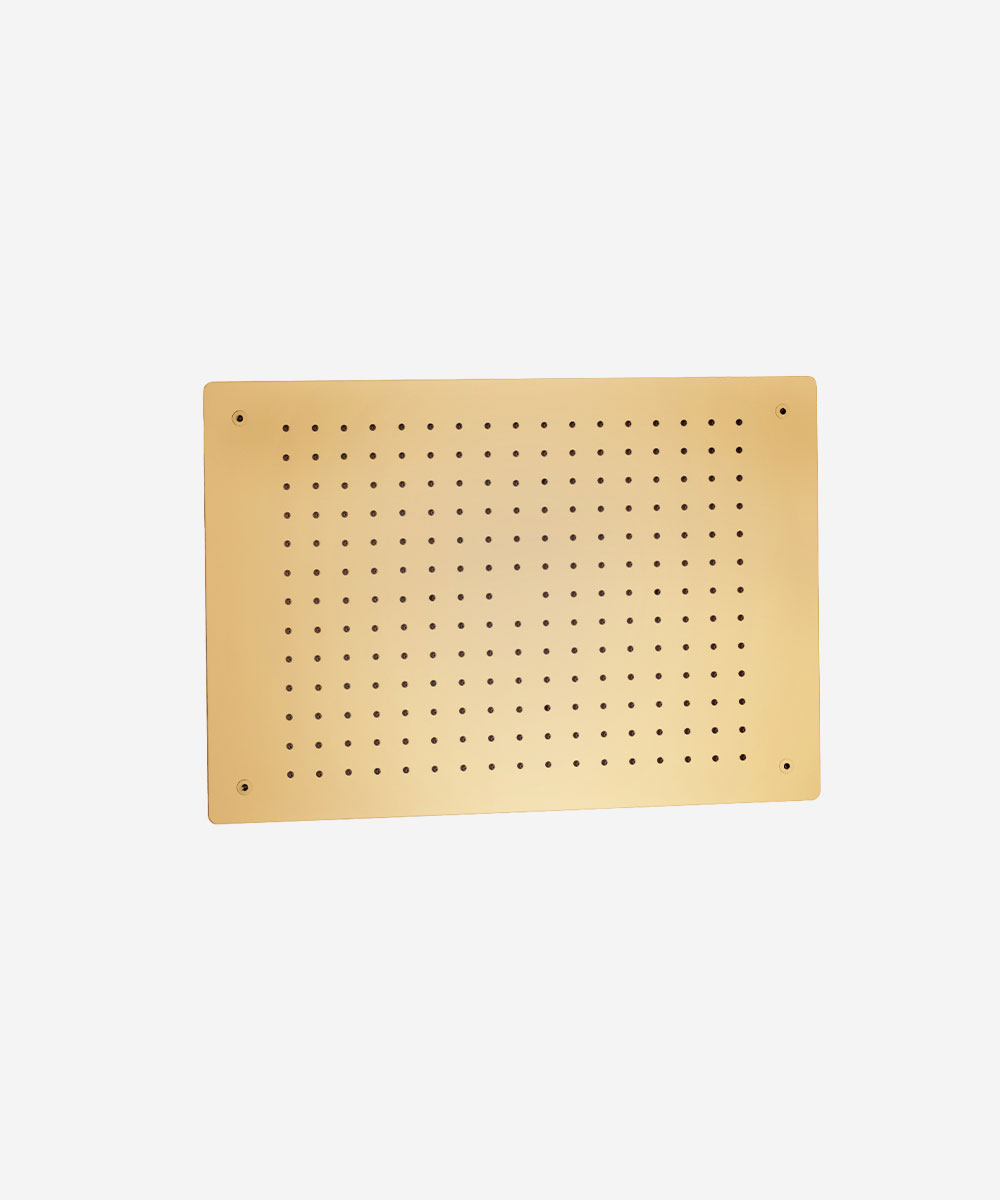
  • ST-C1008: 480×330 mm, mist, rainfall & waterfall, 304 stainless steel mirror finish.
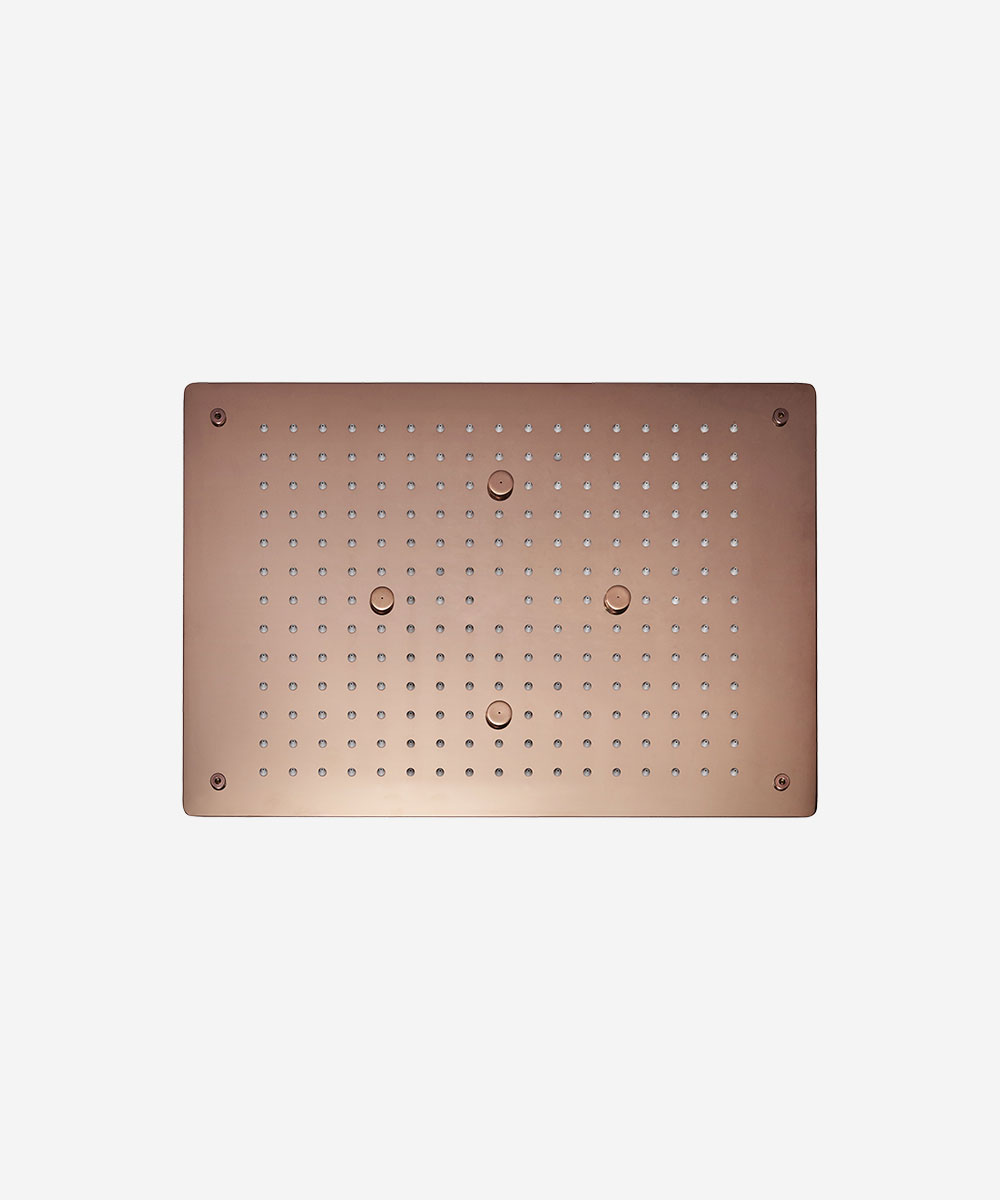
  • Four Function Ceiling Shower: Rainfall, waterfall, mist & spray patterns with concealed system.
  • ST-C1001: Rainfall & waterfall, 304 stainless steel mirror finish.

Maintenance and Care

Regular maintenance includes monthly surface cleaning, quarterly inspections, annual professional servicing, and immediate attention to any irregular water flow.

Use mild cleaners only, avoid harsh chemicals, and gently remove mineral deposits to protect finishes and internal components.

Cost Considerations

Investment Range: ₹15,000–₹25,000 (basic), ₹25,000–₹40,000 (mid-range), ₹40,000–₹65,000+ (premium), plus installation.

Value Proposition: Higher durability, water efficiency, property value uplift, and daily luxury justify the investment.

Conclusion: The Future of Bathroom Design

Concealed ceiling mounted showers represent a fundamental shift toward wellness-driven, architecturally refined bathroom spaces that combine technology, luxury, and functionality.

For homeowners seeking timeless design and enhanced daily comfort, a concealed ceiling shower from a trusted brand like Stout Sanitaryware delivers long-term value and a truly elevated bathing experience.

Product has been added to your cart