Thermostatic vs. Manual Shower Mixers: The 2026 Guide to Safety, Comfort, and Choice

Thermostatic vs. Manual Shower Mixers: The 2026 Guide to Safety, Comfort, and Choice

The heart of any great shower experience is its mixer — the valve responsible for blending hot and cold water to deliver your perfect temperature. While this might seem like a simple decision, choosing between a manual and a thermostatic shower mixer has significant implications for comfort, convenience, and most importantly, safety.

As we move through 2026, building standards and user expectations have evolved considerably, making this choice more critical than ever. This guide will help you understand the differences and select the right solution for your bathroom.

What is a Manual Shower Mixer?

A manual shower mixer is the most basic type of shower valve. It operates through direct user control, allowing you to manually balance hot and cold water streams.

  • Mechanism: Uses a simple cartridge or lever system to combine hot and cold water.
  • User Experience: Requires continuous adjustment to maintain comfort.
  • Primary Benefit: Lower initial purchase and installation cost.

However, manual mixers are highly sensitive to pressure fluctuations. Activities such as flushing a toilet or running taps elsewhere can cause sudden temperature shifts.

What is a Thermostatic Shower Mixer?

A thermostatic shower mixer is designed to maintain a constant water temperature regardless of pressure changes within the plumbing system.

  • Mechanism: Utilises a thermostatic cartridge that actively balances temperature.
  • Safety Stop: Prevents accidental exposure to dangerously high temperatures.
  • User Experience: Stable, predictable, and effortless comfort.

Thermostatic mixers represent the modern standard for safety and performance, offering superior temperature stability and protection.

Head-to-Head Comparison

  • Temperature Control: Manual mixers require constant adjustment, while thermostatic mixers maintain stability automatically.
  • Safety: Thermostatic mixers include anti-scald mechanisms and safety stops.
  • Comfort: Thermostatic systems deliver consistent, uninterrupted experiences.
  • Water Efficiency: Thermostatic mixers reduce water waste during temperature balancing.
  • Cost: Manual mixers have lower upfront cost but offer reduced long-term value.

The Critical Safety Factor

Safety is the defining advantage of thermostatic mixers. Pressure imbalances in manual systems can result in sudden temperature spikes, posing scalding risks.

Thermostatic cartridges are engineered to react instantly, adjusting flow or shutting down supply when irregularities occur, protecting users from harm.

Making the Right Choice

A thermostatic shower mixer is the ideal solution for most modern households, particularly where safety, comfort, and efficiency are priorities.

  • Homes with children or elderly occupants
  • Properties with combi boilers or unvented cylinders
  • Bathrooms requiring stable temperature performance

Manual mixers may only be suitable for highly restricted budgets or specialised scenarios with exceptionally stable water pressure.

Conclusion: Invest in Safety and Comfort

In 2026, thermostatic shower mixers have become the responsible standard. They deliver enhanced safety, consistent comfort, and improved water efficiency.

To explore a range of high-performance thermostatic shower mixers designed for modern bathrooms, visit the experts at Stout.
Creating a Cohesive Look: Using Special Finish Shower Sets as a Focal Point

Creating a Cohesive Look: Using Special Finish Shower Sets as a Focal Point

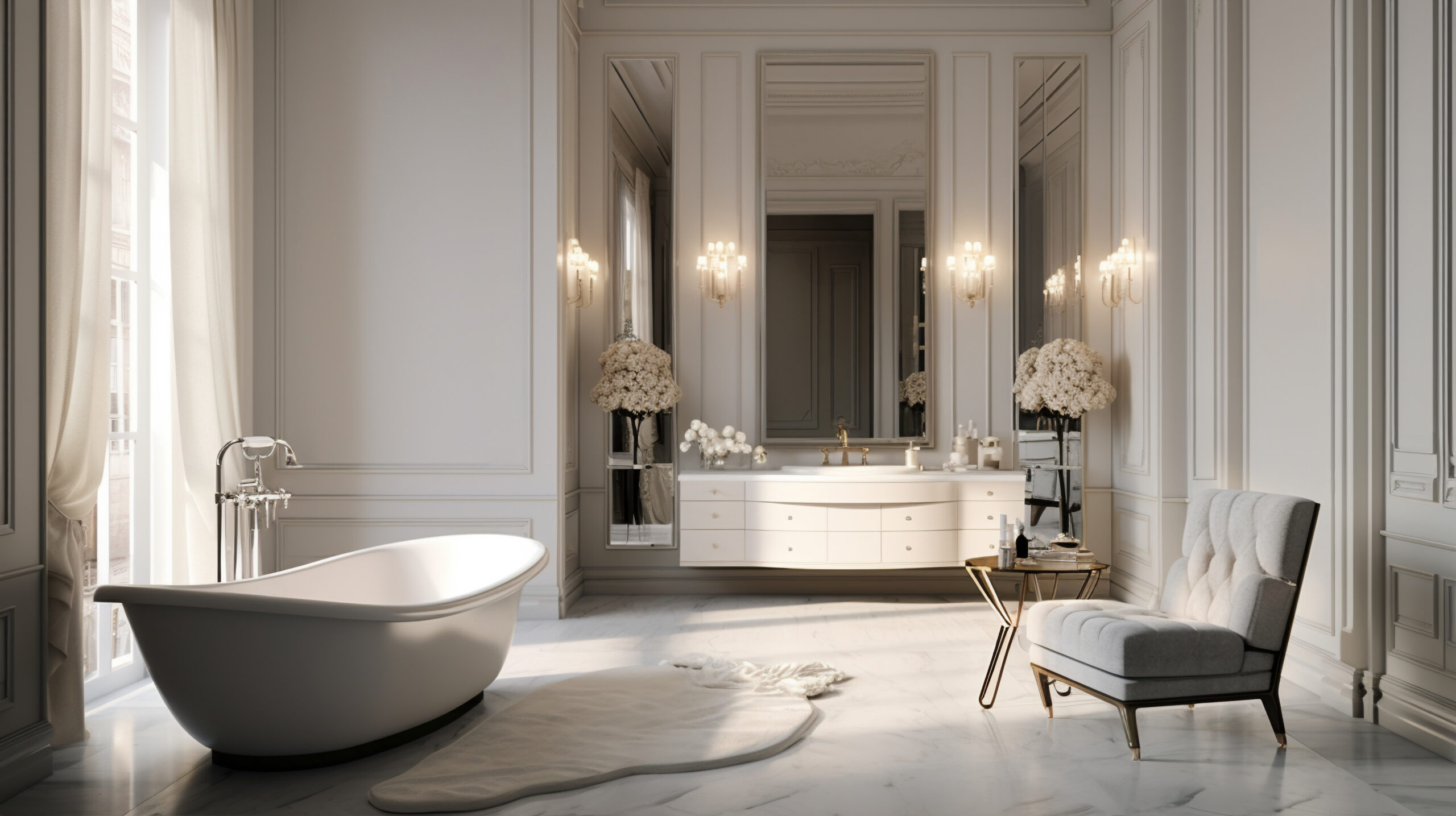
The modern bathroom has evolved far beyond its purely functional origins. In 2026, it is rightly considered a personal sanctuary, a space for relaxation, rejuvenation, and self-expression. In this context, interior design plays a defining role.

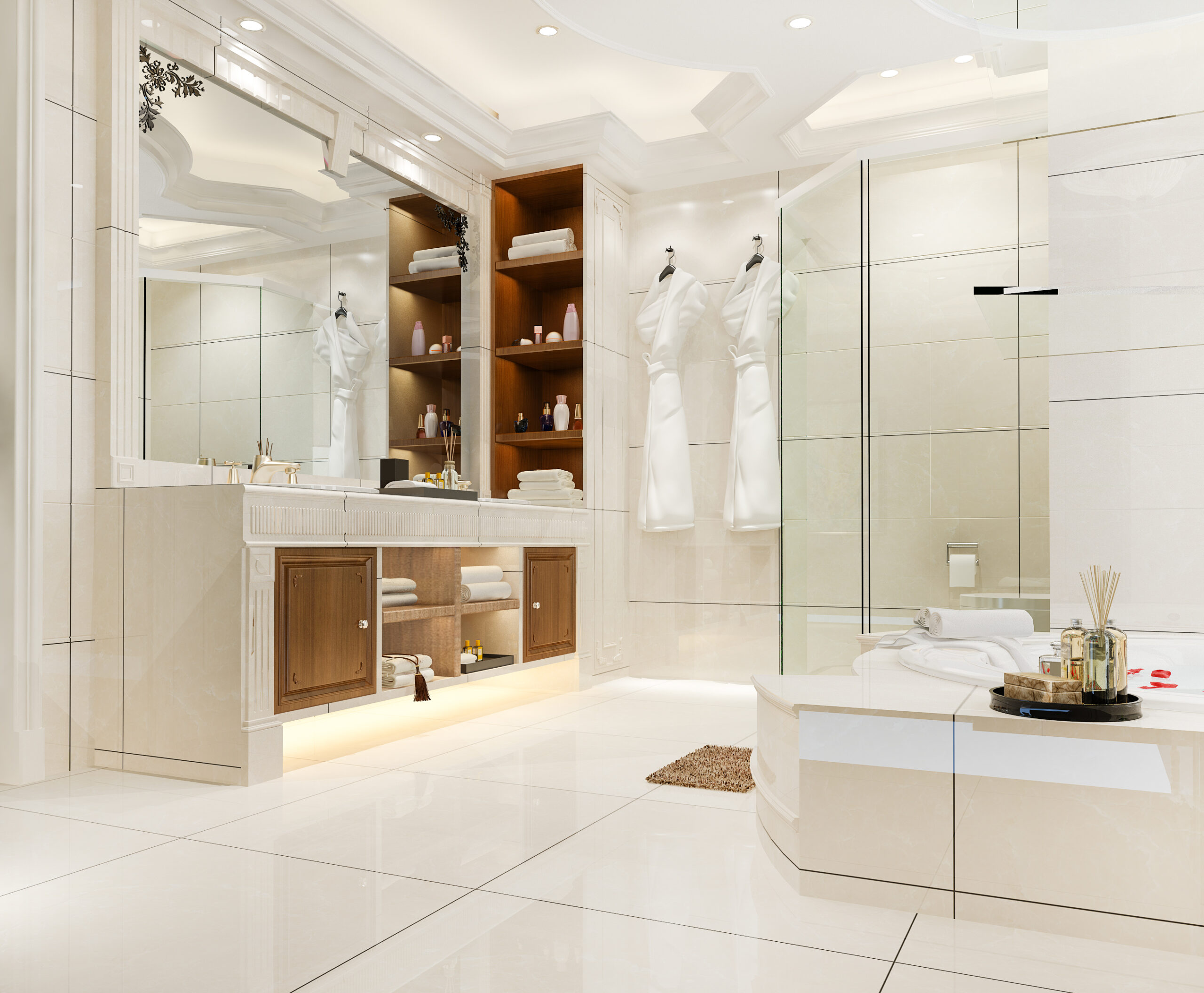
One of the most powerful strategies for creating a high-impact, luxurious bathroom is establishing a clear focal point. And what better place to anchor your design than the heart of the room — the shower. By selecting a special finish shower set, you transform a functional necessity into a striking visual feature.

Why a Special Finish Shower Set is the Perfect Focal Point

In interior design, a focal point is the element that immediately draws attention and establishes visual hierarchy. A shower set naturally fulfils this role due to its placement, presence, and functional significance.

  • Central Location: The shower is typically a dominant feature within the bathroom layout.
  • Vertical Presence: Shower columns and fittings introduce height and visual drama.
  • Functional Artistry: Unlike decorative pieces, a shower set is both aesthetic and interactive.

While chrome remains a classic option, special finishes such as matte black, brushed brass, and gunmetal grey introduce personality, sophistication, and design intent.

Choosing Your Star Finish: 2026’s Top Contenders

1. Matte Black: The Bold Modernist

Matte black is the epitome of contemporary design. Its non-reflective surface creates powerful contrast, delivering a dramatic, architectural aesthetic.

  • The Vibe: Industrial, minimalist, and modern.
  • Perfect Pairings: White tiles, grey surfaces, concrete textures, and dark wood.
  • Design Tip: Reinforce cohesion by repeating matte black elements across taps, enclosures, and accessories.

2. Brushed Brass & Warm Gold: The Luxurious Classic

Warm metallic finishes introduce elegance, warmth, and timeless luxury. Brushed brass offers subtle sheen without excessive reflectivity.

  • The Vibe: Opulent, inviting, and refined.
  • Perfect Pairings: Marble, deep colours, natural stone, and textured woods.
  • Design Tip: Combine with complementary warm metals for a curated, layered look.

3. Gunmetal Grey & Brushed Nickel: The Sophisticated Neutral

Gunmetal grey offers a balanced, understated alternative that blends seamlessly across modern and transitional designs.

  • The Vibe: Sleek, versatile, and contemporary.
  • Perfect Pairings: Concrete-look tiles, slate finishes, and stainless accents.
  • Design Tip: Ideal for universally appealing, gender-neutral bathroom designs.

The Blueprint for Cohesion: Building Your Design Around the Shower

Step 1: Apply the 60-30-10 Rule

This timeless design principle ensures visual balance. Dominant surfaces define the base, secondary elements add depth, while accent features — like your shower set — introduce personality.

Step 2: Echo the Finish

Repeating your chosen finish across taps, hardware, accessories, and fixtures reinforces cohesion and intentionality.

Step 3: Harmonise with Tiles and Textures

Contrast and harmony both play powerful roles. Texture variations further enhance depth and character within the space.

Step 4: Coordinate Your Sanitaryware

Modern design trends embrace flexibility. Whether you choose a uniform finish scheme or contrast with classic white sanitaryware, balance and intent remain key.

Conclusion: Design with Intent

A special finish shower set is more than a functional choice — it is a defining design statement. By thoughtfully integrating finishes, colours, and materials, you create a cohesive bathroom that feels curated, luxurious, and timeless.

For a curated selection of premium shower sets in the latest special finishes, explore the collections at Stout Sanitaryware and find the perfect focal point for your bathroom transformation.

The Ultimate Guide to Selecting the Perfect Shower Column for Your Bathroom Size and Water Pressure (2026 Update)

The Ultimate Guide to Selecting the Perfect Shower Column for Your Bathroom Size and Water Pressure (2026 Update)

A shower column is more than just a functional fixture; it's the centerpiece of a modern bathroom, capable of transforming a daily routine into a luxurious spa-like experience. With sleek designs, integrated controls, and multiple spray functions, they represent the pinnacle of showering convenience.

However, the allure of a feature-rich shower column can quickly fade if it's not perfectly matched to your home's unique conditions. Selecting the right unit is a precise science, balancing the physical dimensions of your bathroom with the technical capabilities of your water system.

This comprehensive 2026 guide will walk you through the essential process of selecting the perfect shower column, ensuring you make an informed investment that delivers outstanding performance for years to come.

Step 1: Assessing Your Bathroom’s Physical Constraints

Before you even consider water pressure, you must understand the physical space you're working with. A shower column that is too large or improperly positioned can make a bathroom feel cramped and awkward.

Measuring Your Space Accurately

  • Width and Depth: Measure the internal dimensions of your shower enclosure or wet room area.
  • Height: Measure from the shower tray floor to the ceiling to determine column compatibility.
  • Clearance: Ensure the column will not obstruct entry, exit, or door swing.

Matching Shower Column Types to Bathroom Layouts

  • Small Bathrooms & En-suites: Opt for slimline, wall-mounted columns to maximise space efficiency.
  • Medium to Large Bathrooms: Consider wider columns with multiple spray functions and outlets.
  • Wet Rooms: Explore minimalist combinations with ceiling-mounted arms and concealed controls.

Step 2: The Deciding Factor – Understanding Your Water Pressure

Water pressure and flow rate determine your shower’s performance. Pressure refers to the force behind the water, while flow rate refers to the volume delivered per minute.

How to Check Your Water Pressure and Flow

  • Pressure Gauge Method: A reading between 1 and 3 bars is ideal for most modern showers.
  • The Bucket Test: A flow rate of 10–15 litres per minute is generally suitable for contemporary shower systems.

Identifying Your Home’s Water System

  • Combi Boiler: Performance depends on boiler output.
  • Unvented Cylinder: Typically provides strong, consistent pressure.
  • Gravity-Fed System: Often requires a booster pump for optimal results.

Step 3: The Selection Matrix – Matching Size and Pressure

When choosing a shower column, both bathroom size and water pressure must be considered to achieve the best results.

In small bathrooms with low pressure, compact slimline columns with smaller shower heads perform best. Water-saving or aerated nozzles help enhance the sensation of pressure. Large rainfall heads should be avoided.

In small bathrooms with good pressure, slimline designs still work well, but you have more flexibility in selecting larger heads or dual-outlet configurations.

Large bathrooms with low pressure present challenges. System upgrades such as pumps or accumulators may be required before installing feature-rich columns.

Large bathrooms with good pressure offer the ideal environment for premium shower columns with rainfall heads, body jets, thermostatic controls, and handheld options.

Key Features to Look for in a 2026 Shower Column

  • Thermostatic Control: Essential for safety and temperature stability.
  • Material and Finish: 304 Stainless Steel with durable PVD coatings ensures longevity.
  • Smart Technology: LED displays, app control, and voice integration enhance convenience.
  • Ease of Cleaning: Silicone nozzles simplify limescale removal.

Conclusion: An Informed Choice for a Perfect Shower

Selecting the perfect shower column is a balance of form and function. Assessing your bathroom dimensions and understanding your water system ensures you invest in a solution that delivers both aesthetics and performance.

Avoid choosing based on design alone. Performance compatibility is equally critical for long-term satisfaction.

To explore high-performance shower columns designed for modern bathrooms, visit the experts at Stout, where you'll find options suited for every space and water system.

bathroom accessories in India

A Step-by-Step Guide to Concealed Shower Installation: Planning and Plumbing

A Step-by-Step Guide to Concealed Shower Installation: Planning and Plumbing

The sleek, minimalist aesthetic of a concealed shower is the pinnacle of modern bathroom design. By hiding the pipework and valve mechanism within the wall, you create a clean, uncluttered space that feels both luxurious and spacious. As we move into 2026, this design choice is more popular than ever, often integrated with smart home technology and hyper-efficient water-saving features.

However, achieving this flawless look requires meticulous planning and precise execution. This comprehensive guide, brought to you by the experts at Stout Sanitaryware, will walk you through the essential steps of planning and plumbing for a concealed shower installation.

Important Disclaimer

This guide is intended for informational purposes to help you understand the process and communicate effectively with a professional installer. Concealed shower installation involves complex plumbing and electrical work that must comply with local building regulations.

We strongly recommend hiring a qualified and certified plumber for this task. Incorrect installation can lead to significant water damage, costly repairs, and voided warranties.

Phase 1: The Critical Planning Stage

The success of your concealed shower is determined before a single tile is cut. Rushing the planning phase is the most common cause of problems down the line.

Step 1: Assess Your Water System

Not every home's plumbing system is suitable for a high-performance concealed shower. You must first understand what you're working with.

  • Water Pressure: Most modern concealed showers require a minimum pressure of 1.0 bar, with 1.5–3.0 bar being ideal for optimal performance, particularly when running multiple outlets.
  • Flow Rate: Measured in litres per minute (l/min), this determines how much water your system can deliver. Combi boilers and unvented cylinders typically perform well.
  • System Compatibility: Identify whether you have a combi boiler, unvented cylinder, or gravity-fed system, as this impacts shower performance.

If your system is inadequate, you may need to upgrade it or choose a low-pressure compatible shower valve.

Step 2: Selecting the Right Concealed Shower Valve

  • Thermostatic Valve: Automatically maintains a constant water temperature and prevents scalding. This is the preferred choice for safety and comfort.
  • Outlets: Choose between single, dual, or triple outlet valves depending on your shower configuration.
  • Smart Features: Many premium valves now offer app-based controls, voice integration, and user profiles.

Step 3: Designing the Layout and Marking the Wall

  • Shower Valve Controls: Typically installed 1100mm – 1200mm from the floor.
  • Fixed Shower Head: Usually positioned 2000mm – 2100mm from the floor.
  • Body Jets: Installed starting at approximately 900mm from the floor with even spacing.
  • The Cavity: Ensure sufficient wall depth (generally ~100mm) to house the valve and pipework.

Phase 2: The Step-by-Step Installation Guide

Step 1: Prepare the Cavity and Install the Valve Body

Construct a stud wall or battened-out section to the required depth. Line the cavity with a waterproofing membrane to protect against potential leaks. Mount the valve body securely using the provided support frame.

Step 2: Run the Pipework

  • Pipe Choice: PEX piping is widely used due to flexibility and reliability, though copper remains a strong option.
  • Connections: Use high-quality fittings and ensure all joints are secure.
  • Label Everything: Correctly connect hot, cold, and outlet lines.
  • Pressure Test: Always test the system for leaks before closing the wall.

Step 3: Tiling and Finishing

Once confirmed leak-free, proceed with tiling using waterproof adhesive and grout. Seal all edges with high-quality silicone to ensure watertight protection.

Step 4: Final Assembly and Commissioning

  • Attach decorative trim plate
  • Install control handles
  • Flush system before final fittings
  • Test temperature stability and functionality

Conclusion: The Reward of a Job Well Planned

A concealed shower installation is a significant project, but the result is a stunning, high-performance centerpiece for your bathroom. Proper planning and professional installation ensure safety, reliability, and long-term satisfaction.

For premium components backed by expert technical advice, explore the collections at Stout Sanitaryware. Quality products provide the foundation for a flawless shower experience.

DIY or Professional? A Complete Guide to Shower Column Installation

DIY or Professional? A Complete Guide to Shower Column Installation

Installing a shower column can transform your daily routine into a spa-like experience, but the decision between DIY and professional installation impacts everything from cost to long-term reliability.

Whether you're upgrading your bathroom on a budget or investing in a luxury renovation, understanding the intricacies of shower column installation is crucial. This guide helps you decide based on skill level, budget, and bathroom requirements.

Understanding Shower Columns

A shower column, also known as a shower panel, is an all-in-one unit that typically includes an overhead shower, handheld spray, body jets, and control valves mounted on a single panel.

These systems are popular for their sleek design and multifunctionality, delivering a premium bathing experience without extensive plumbing changes. Modern models may include LED lighting, thermostatic controls, and multiple spray patterns.

DIY vs. Professional Installation: At a Glance

Key Comparison Factors

  • Cost: DIY ($0–$200 for tools) vs Professional ($400–$2,000+ labor)
  • Time Required: DIY (4–8 hours) vs Professional (2–4 hours)
  • Skill Level: Intermediate to advanced vs None required
  • Warranty Protection: Risk of voiding vs Typically maintained
  • Code Compliance: Homeowner responsibility vs Professional responsibility

DIY Installation: Step-by-Step Guide

Pre-Installation Considerations

Before starting, ensure your bathroom meets plumbing code requirements. Shower compartments should have a minimum interior area of 900 square inches and minimum dimensions of 30 × 30 inches.

Tools and Materials Needed

  • Mounting hardware (usually included)
  • Level and measuring tape
  • Wrench set and drill
  • Pipe tape and silicone sealant
  • Protective gloves and safety gear

Installation Process

  • Prepare the area: Shut off water supply and clear the installation zone.
  • Mark mounting points: Use a level to ensure accuracy.
  • Connect water lines: Secure hot and cold connections using pipe tape.
  • Mount the column: Fix securely and recheck alignment.
  • Test the system: Restore water supply and inspect for leaks.

Pro Tip: Photograph existing plumbing before disconnecting any components. It simplifies reinstallation.

When to Call a Professional

  • Complex plumbing modifications
  • Warranty protection requirements
  • Digital, LED, or smart integrations
  • Local code compliance assurance

Common Installation Mistakes to Avoid

  • Improper waterproofing
  • Incorrect mounting height
  • Ignoring water pressure requirements
  • Skipping post-installation leak testing

Final Recommendations

Choose DIY installation if you have plumbing experience, proper tools, and a straightforward setup. Opt for professional installation if you want peace of mind, warranty protection, or have complex plumbing needs.

Investing in a quality shower column from a trusted manufacturer ensures durability, performance, and long-term satisfaction.

Expert Tip:

Even DIY installers can benefit from a professional consultation to review plumbing readiness and avoid costly mistakes.

How to Choose the Right Size and Type of Ceiling Shower for Your Bathroom

How to Choose the Right Size and Type of Ceiling Shower for Your Bathroom

Transform your daily routine into a spa-like experience with the perfect ceiling shower—where luxury meets functionality in a downpour of relaxation.

Choosing the right ceiling shower can transform your bathroom from a simple utility space into a luxurious retreat. With numerous options available in 2026, this comprehensive guide will help you navigate the selection process with confidence, ensuring the right balance of aesthetics, performance, and modern standards.

Understanding Ceiling Shower Systems

Ceiling-mounted shower heads, commonly known as rainfall or overhead showers, are installed directly into the ceiling, allowing water to fall vertically like natural rainfall. This design creates a spa-like atmosphere while providing even water distribution across the body.

Unlike traditional wall-mounted showers, ceiling systems offer a sleek, minimalist aesthetic that maximizes space and reduces visual clutter. They are especially popular in modern bathroom designs, new constructions, and full-scale renovations where plumbing flexibility allows optimal placement.

Key Factors for Selecting the Right Size

1. Bathroom Dimensions and Ceiling Height

Your bathroom’s physical dimensions play a critical role in selecting the correct ceiling shower size and installation height.

  • Minimum ceiling height: As per the 2021 International Residential Code, showers require a minimum ceiling height of 6 feet 8 inches (2032 mm).
  • Optimal installation height: Most ceiling showers are installed around 80 inches (203 cm) from the floor for user comfort.
  • Space considerations: Larger shower heads (16–24 inches) are ideal for spacious bathrooms, while compact 8–12 inch models suit smaller enclosures.

2. Shower Size and Water Coverage

The size of your shower enclosure directly influences the ideal ceiling shower dimensions and coverage.

  • 32" x 32": 8–12 inch shower head for focused rainfall coverage.
  • 36" x 42": 12–16 inch shower head for full-body coverage.
  • 48" x 48" and above: 16–24 inch shower head for a luxury rainfall experience.

3. Water Pressure Considerations

Water pressure plays a crucial role in ceiling shower performance and comfort.

  • Optimal pressure: Most ceiling showers perform best between 30–90 PSI.
  • Flow rate regulations: U.S. standards limit shower heads to 2.5 GPM, while WaterSense models use 2.0 GPM or less.
  • Indian standards: Typical residential systems operate at 9.5 LPM with 5.5 bar pressure.

Types of Ceiling Shower Systems

1. Basic Rainfall Showers

These systems provide a consistent, natural rain-like flow and are ideal for budget-conscious upgrades focused on comfort and simplicity.

2. Multi-Function Systems

Advanced ceiling showers offer multiple spray modes such as rainfall, mist, and waterfall. These systems require multiple supply lines but deliver a versatile and luxurious bathing experience.

3. LED-Integrated Showers

LED ceiling showers add ambient lighting and visual appeal. Some models change color based on water temperature, enhancing both aesthetics and safety.

4. Smart Shower Systems

Smart ceiling showers feature app-based controls, Bluetooth connectivity, and customizable settings, catering to tech-savvy homeowners seeking convenience and personalization.

Installation Considerations

Ceiling showers require specialized plumbing, including concealed valves, adequate supply lines, and reinforced ceiling support for larger units.

Professional installation is strongly recommended due to waterproofing requirements, electrical work for LED systems, and warranty considerations.

Maintenance and Longevity

  • Regular cleaning to remove mineral deposits.
  • Periodic inspection for leaks or blockages.
  • Annual professional servicing for advanced systems.

Conclusion

Selecting the right ceiling shower is a balance of size, pressure, features, and installation feasibility. When chosen correctly, it enhances daily routines and elevates your bathroom into a spa-like retreat.

Expert Tip:

Consult a bathroom design professional before finalizing your purchase to ensure optimal performance, compliance, and long-term satisfaction.

Top 5 Benefits of Installing a Concealed Ceiling Shower (Rainfall, Mist, Waterfall)

The modern bathroom of 2026 has evolved from a purely functional space into a personal wellness sanctuary. As architectural trends shift toward minimalism and spa-like luxury, the Concealed Ceiling Shower has emerged as the centrepiece of contemporary bathroom design.

To answer the primary question directly: Installing a concealed ceiling shower provides a seamless aesthetic, maximises spatial efficiency, and delivers superior hydrotherapy through specialised functions like rainfall, mist, and waterfall modes.

This guide breaks down the top 5 benefits of upgrading to a concealed ceiling system, offering insights for homeowners and designers looking to enhance their bathing experience.

1. The Minimalist Aesthetic: Seamless Design and Space

In 2026 interior design, the "Clutter-Free" entity is paramount. Traditional wall-mounted showers often feature visible pipes, bulky arms, and exposed mounting hardware that disrupt the visual flow of the bathroom.

The "Concealed" Advantage

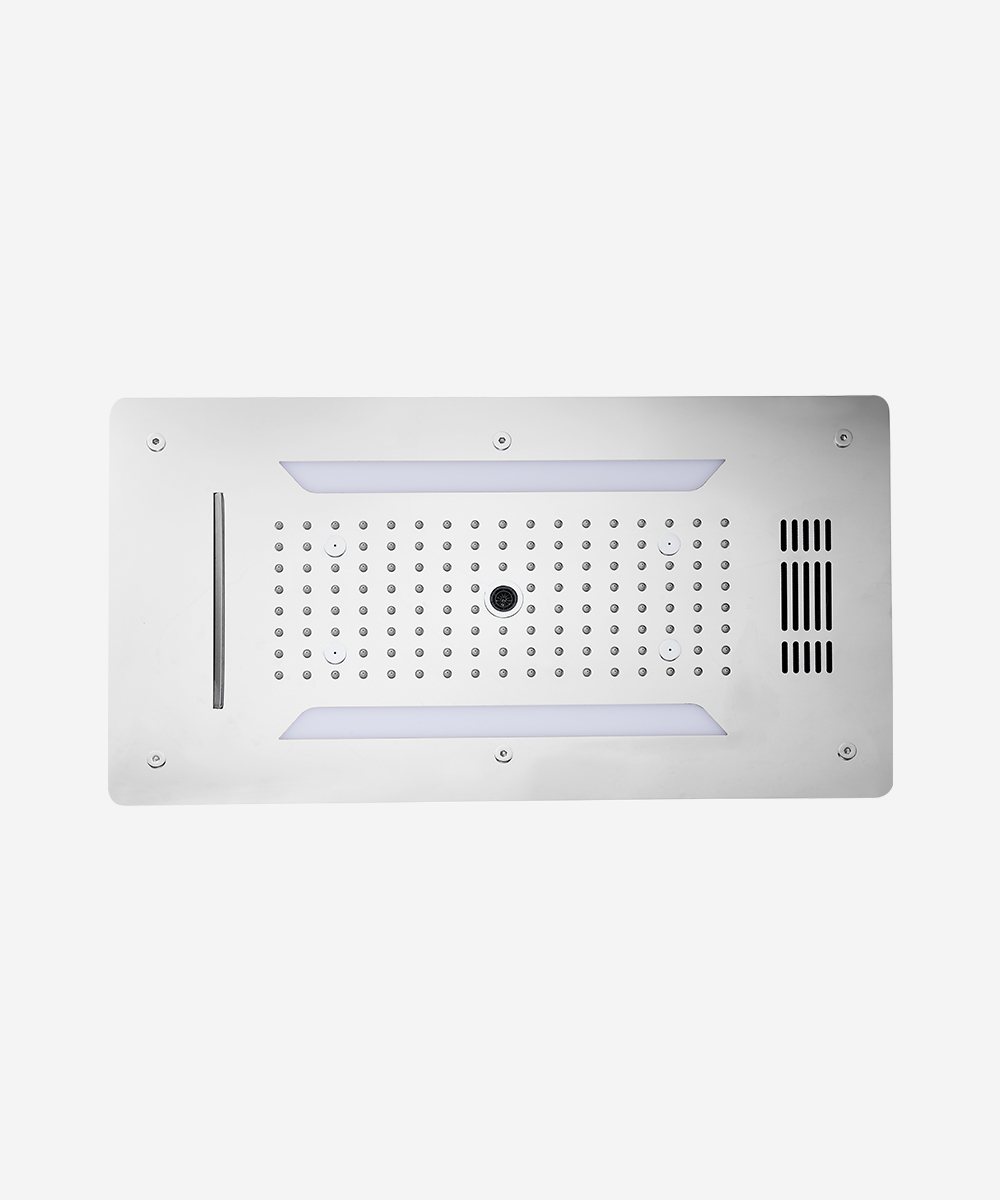
A concealed ceiling shower hides all plumbing and piping behind the ceiling or a false wall. The only visible component is the sleek shower head flush with the ceiling.

  • Visual Expansion: Without protruding hardware, the ceiling feels higher, and the room feels larger. This is critical for urban apartments where spatial optimisation is essential.
  • Clean Lines: The seamless look creates a sophisticated, high-end finish that complements other modern fixtures like floating vanities and backlit mirrors.

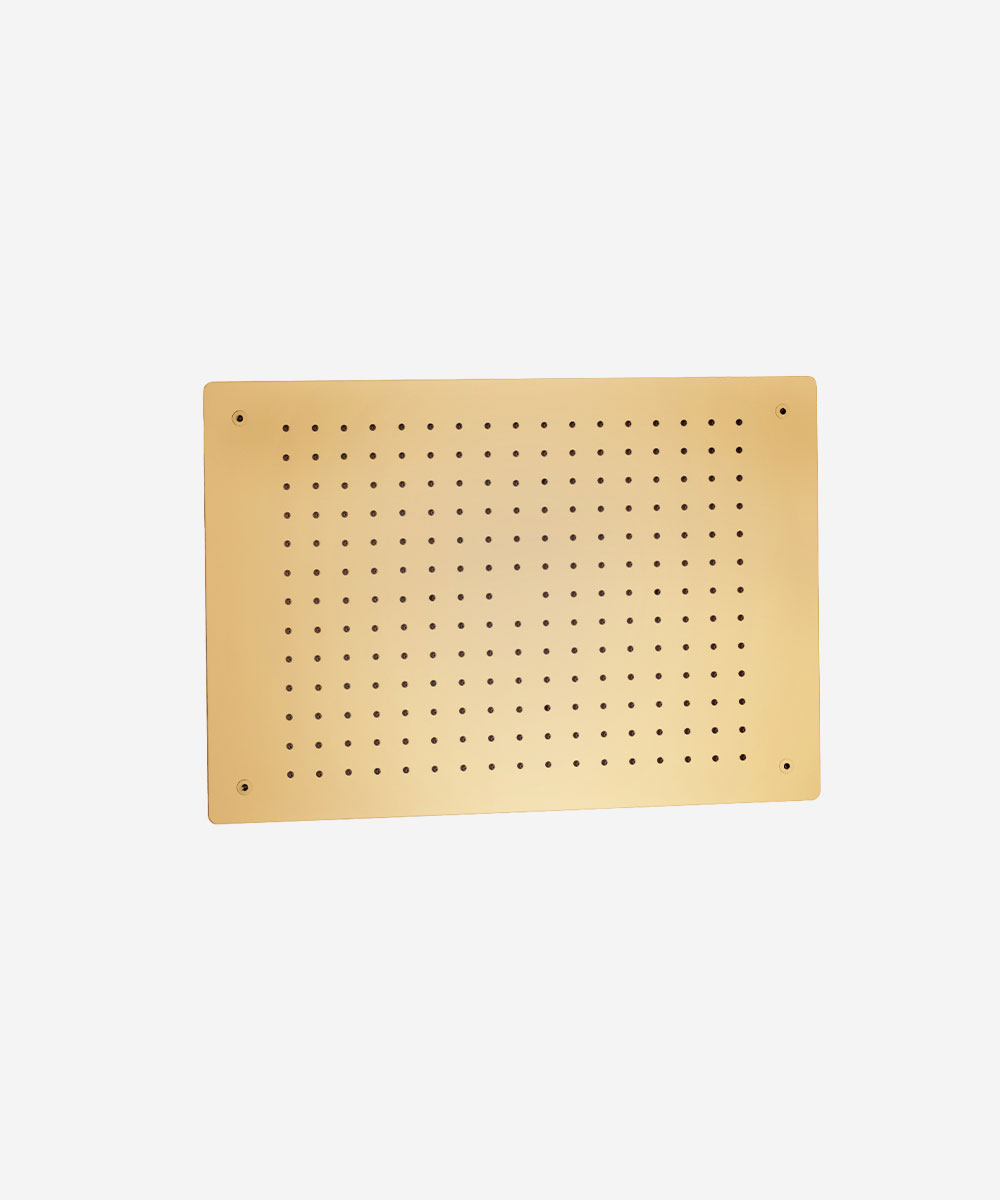
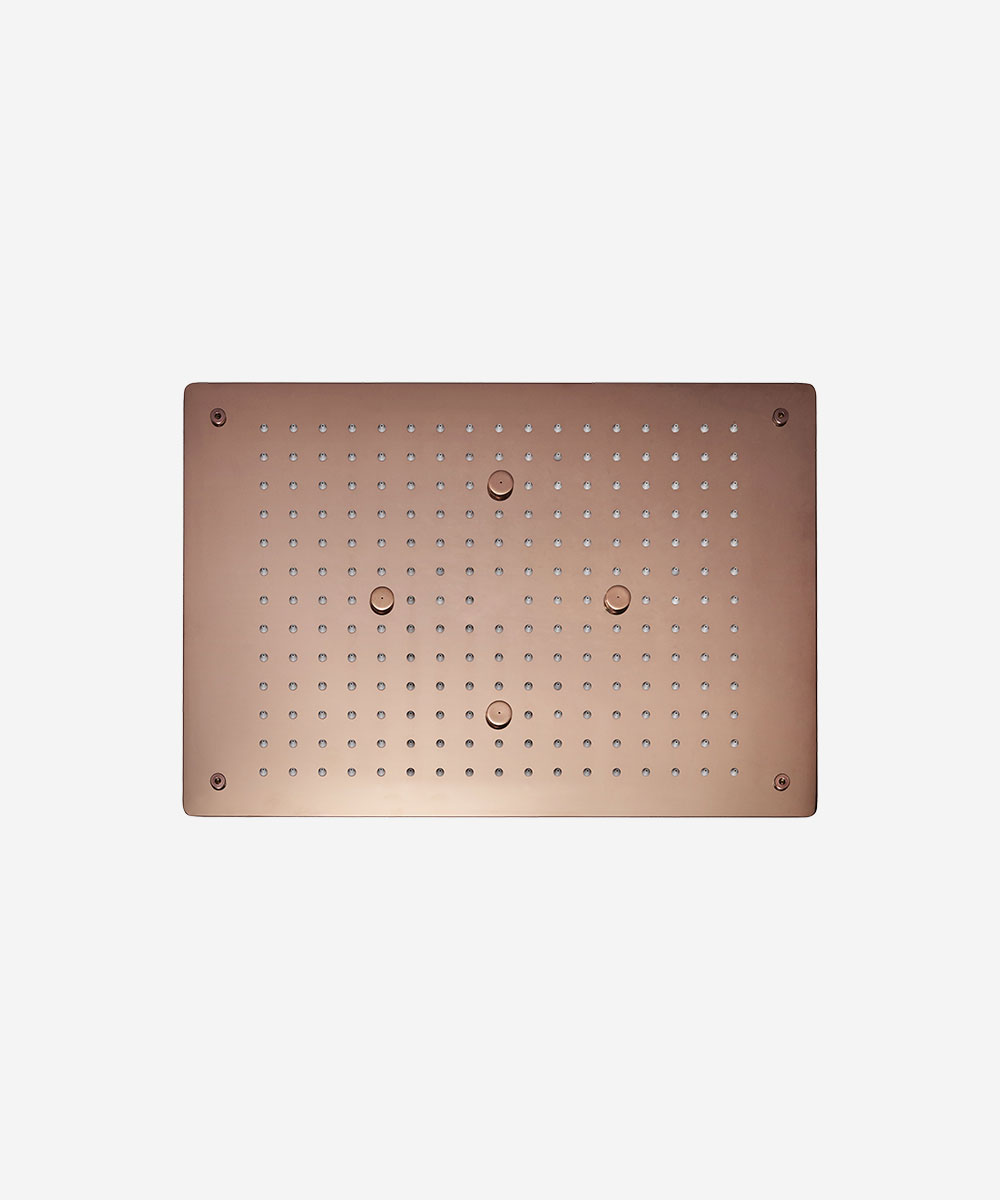
Expert Tip: For the ultimate minimalist look, choose a square or round flush-mounted ceiling plate in a matte black or brushed gold finish. These trending finishes dominate the 2026 market.

2. The Rainfall Experience: Full-Body Immersion

The Rainfall Shower is not just a spray pattern; it is a sensory experience designed to mimic the soothing sensation of standing in a warm, tropical downpour.

Gravity-Flow Dynamics

Unlike wall showers that shoot water at an angle, ceiling-mounted rainfall showers rely on gravity. The water falls vertically, creating a "drenching" effect that covers the entire body simultaneously.

  • Muscle Relaxation: The broad coverage allows the water to heat the body evenly, relaxing muscles faster than concentrated jets.
  • No Eye Irritation: Because the water flows straight down, there is no spray aimed at the face or eyes, making it a gentler experience for users.

Best For: Morning routines where a quick, full-body soak is needed to wake up, or evening routines to wash away stress.

3. The Mist Mode: Advanced Hydrotherapy and Skin Care

As we move into 2026, the health and wellness entity of bathroom fixtures is becoming increasingly important. Mist Showers (or fog showers) are a specialized function available in advanced ceiling shower systems.

Micro-Droplet Technology

Mist modes emit water in extremely fine droplets (micronized). This creates a cloud-like steam effect rather than a heavy spray.

  • Deep Cleansing: The mist penetrates pores more effectively than standard water, providing a deeper clean and helping to hydrate the skin.
  • Thermal Regulation: Mist showers often feel hotter than they are, allowing for a luxurious spa experience while conserving water.

4. The Waterfall Feature: Dramatic Visuals and Acoustic Therapy

The Waterfall Shower is the definition of bathroom luxury. Instead of spraying through small nozzles, water flows out through a wide, slit-type spout, creating a solid sheet of water.

The Sensory Entity

  • Visual Drama: Watching a sheet of water cascade from the ceiling adds a kinetic sculpture element to the bathroom.
  • Sound Therapy: The sound of rushing water creates white noise, transforming the shower into a meditation zone.

5. Increased Property Value and Smart Home Compatibility

Installing a concealed ceiling shower is a long-term investment in the property entity, signalling quality and attention to detail.

Future-Proofing (2026 Standard)

  • Digital Valves: Touchscreen or app-based control for temperature, flow, and lighting.
  • Water Efficiency: Advanced aerators maintain pressure while reducing water usage.

Why Choose Stout Sanitaryware for Your Ceiling Shower?

Upgrading to a concealed system requires precision engineering and durable materials. This is where Stout Sanitaryware excels.

  • Anti-Clog Nozzles for Rainfall and Mist modes.
  • Corrosion-resistant finishes for humid environments.
  • Modular designs for easy installation and maintenance.

Conclusion

The shift toward concealed ceiling showers represents a move toward holistic wellness and architectural purity. By combining Rainfall immersion, Mist hydrotherapy, and Waterfall aesthetics, these systems transform daily bathing into a multi-sensory retreat.

For homeowners looking to future-proof their bathroom and add tangible property value, a concealed ceiling shower system is the definitive choice for 2026.

Ready to transform your bathroom experience?

Explore the Premium Collection of Ceiling Showers at Stout Sanitaryware

Understanding the Features of a Modern Shower Column (Thermostatic Valves, Body Jets, Handshowers)

The bathroom of 2026 is no longer just a utility space; it is a technologically advanced wellness hub. At the heart of this transformation is the Shower Column, also known as a Shower Panel. This all-in-one fixture integrates diverse water delivery systems into a single, sleek unit, transforming the daily shower into a customizable spa experience.

To answer the question simply: A modern shower column combines thermostatic temperature control, targeted hydrotherapy via body jets, and the flexibility of a hand shower into a unified vertical panel.

1. The Core Control: Thermostatic Valves

The brain of a modern shower column is the thermostatic valve. Unlike standard pressure-balancing valves, which only regulate pressure, thermostatic valves respond directly to changes in water temperature.

How It Works

The valve contains a wax or liquid-filled element that expands and contracts based on water temperature. When the water becomes too hot, the element expands to restrict hot water flow, and when it cools, it contracts to allow more hot water.

User Benefits in 2026

  • Precise Temperature Control: Users can set and maintain an exact preferred temperature consistently.
  • Safety: Built-in safety stops at 38–40°C prevent accidental scalding.
  • Instant Adjustment: The valve shuts off automatically if cold water supply fails.

Expert Insight: When choosing a shower column, ensure the thermostatic unit is made from brass rather than plastic. Brass offers superior durability and faster heat response. Stout Sanitaryware uses high-grade brass cartridges to ensure precision and longevity.

2. Hydrotherapy: Body Jets

Positioned along the vertical spine of the column, body jets are adjustable nozzles that spray water horizontally at the torso, back, and legs to provide therapeutic benefits.

The Massage Effect

  • Targeted Relief: Jets are positioned to relieve tension in the lower back and shoulders.
  • Circulation Boost: High-pressure sprays stimulate blood flow and muscle recovery.
  • Customization: Rotatable nozzles allow precise targeting of muscle groups.

Technical Consideration: Body jets require adequate water pressure, typically 2–3 bar. Homes with lower pressure should choose pump-compatible or flow-boosted shower columns.

3. Flexibility and Utility: Handshowers

The hand shower is the most versatile component of a shower column, featuring a spray head attached to a flexible hose and mounted on a vertical slide rail.

Key Functions

  • Enables easy cleaning of shower enclosures and corners.
  • Ideal for rinsing hair, bathing children, or washing pets.
  • Supports mobility needs by allowing seated bathing via adjustable slide bars.

Spray Patterns

  • Rain Spray: Wide, gentle coverage.
  • Massage Spray: Focused pulsating jets.
  • Mist Spray: Fine, water-saving mist.

4. The Overhead Fixture: Rainfall and Waterfall

Most modern shower columns include a top-mounted overhead shower offering rainfall immersion or waterfall flow, both controlled via the main diverter for effortless switching between functions.

5. Why Choose a Shower Column Over Traditional Fixtures?

  • Ease of Installation: Requires only one hot and one cold water inlet.
  • Unified Aesthetic: Conceals all plumbing within a clean vertical panel.
  • Cost-Effectiveness: Delivers luxury functionality without complex plumbing or high labor costs.

6. The Stout Sanitaryware Standard

Stout Sanitaryware manufactures shower columns designed to meet the performance, durability, and safety expectations of the 2026 market.

  • Durability: Stainless Steel 304 and high-grade brass construction.
  • Finishing: PVD coatings resist scratches, corrosion, and tarnishing.
  • Ease of Maintenance: Rub-clean silicone nozzles prevent limescale buildup.

Conclusion

A modern shower column is a refined combination of safety, wellness, and functionality. It simplifies plumbing while delivering a premium showering experience.

By understanding thermostatic protection, hydrotherapy benefits, and hand shower versatility, homeowners can confidently select a system that fits their lifestyle.

Explore the Premium Shower Column Collection at Stout Sanitaryware and elevate your daily bathing experience.

Solving Low Water Pressure Issues: Choosing the Right Shower for Indian Homes (2026 Guide)

In the landscape of Indian residential infrastructure, water pressure variability remains a persistent challenge. Whether due to municipal supply schedules, the height of overhead tanks, or narrow plumbing pipes, a weak shower can turn a relaxing routine into a frustrating chore.

The right shower for Indian homes with low water pressure utilises air-injection technology to increase spray velocity, features concentrated spray patterns, and includes easy-clean nozzles to prevent clogging from hard water.

1. The “Low Pressure” Reality in Indian Homes

Before choosing a fixture, it is essential to understand the specific constraints of Indian plumbing. Unlike Western countries with constant municipal pressure, many Indian homes rely on gravity-fed systems from overhead tanks.

The Gravity Factor: A tank on the roof provides roughly 0.1 bar of pressure per meter of height. With a 5–6 meter difference, pressure often remains between 0.5 and 0.8 bar, which is barely sufficient for standard showers.

Pipe Width: Older homes commonly use 0.5-inch pipes that restrict water flow compared to modern 0.75-inch plumbing standards.

Expert Insight: Homes with pressure pumps can support luxury showers. However, most gravity-fed or inconsistent municipal systems require fixtures designed specifically for low-pressure conditions.

2. Feature One: Air-Injection Technology (Eco-Boost)

Air-injection technology is one of the most impactful innovations for low-pressure showers in 2026, often marketed as Eco-Jet, Air-Gear, or Oxygen-Infused systems.

How It Works: The shower head pulls air into the water stream through the faceplate, mixing it with flowing water.

The Benefit: This creates larger, softer droplets that feel heavier and fuller on the skin.

The Efficiency: Even with low flow rates, air injection delivers a high-pressure feel while conserving water. Stout Sanitaryware integrates this technology into its overhead showers for consistent performance in Indian homes.

3. Feature Two: Nozzle Engineering and Hole Size

Smaller, well-engineered nozzle designs increase water velocity. This principle allows low-pressure showers to feel more powerful without increasing supply pressure.

Avoid Wide Rainfall Spreaders: Large flat heads with hundreds of micro-holes require high pressure. In low-pressure homes, water trickles from the center only.

Choose Focused Spray Designs: Look for shower heads with fewer but slightly larger holes that allow water to flow freely.

Silicone Nozzles: Flexible silicone nozzles resist limescale buildup and can be cleaned easily by rubbing, maintaining consistent water flow in hard-water regions.

4. Best Shower Types for Low Water Pressure Homes

A. High-Pressure Hand Showers (Top Recommendation)

Hand showers offer superior control by allowing users to adjust distance, instantly improving perceived pressure.

What to Look For: Multi-function hand showers with massage or spray modes provide powerful jets ideal for rinsing thick hair and daily use. Stout Sanitaryware models feature durable click-buttons that hold their selected mode securely.

B. Medium Overhead Showers (250–300 mm)

Smaller overhead showers balance coverage and pressure, ensuring water reaches the edges of the spray pattern without requiring booster pumps.

C. What to Avoid: Ceiling Waterfalls

Waterfall showers depend heavily on strong pressure. Without a pump, they often perform poorly and should be avoided unless plumbing upgrades are planned.

5. Maintenance Tips to Preserve Water Pressure

In many cases, low pressure is caused by clogged filters rather than supply limitations.

Mesh Filter Check: Clean the mesh screen inside the shower hose regularly to remove rust and sediment, often restoring full pressure instantly.

6. When to Install a Booster Pump

If pressure remains below 0.3 bar despite proper fixtures and maintenance, a booster pump may be necessary.

Check Water Source: Confirm municipal or borewell supply consistency.

Install a Pump: A 0.5 HP or 1 HP pump enables full use of luxury showers. Stout Sanitaryware shower sets are designed to remain compatible with pressurized systems.

Conclusion

Low water pressure does not mean compromising on comfort. By selecting air-injection technology, optimized nozzle designs, and suitable shower formats, Indian homeowners can dramatically improve their shower experience.

The key is matching the fixture to existing infrastructure rather than forcing unsuitable designs.

Explore the High-Performance Shower Collection at Stout Sanitaryware and transform your daily routine.

What is a Concealed Ceiling Mounted Shower and Why is it Trending in Modern Bathrooms?

Introduction: The Rise of Spa-Like Bathrooms

In 2025, the bathroom has evolved from a purely functional space into a personal wellness retreat. At the forefront of this transformation is the concealed ceiling mounted shower, a fixture that combines architectural minimalism with luxurious functionality. This innovative shower design, where all plumbing is hidden above the ceiling and only the sleek shower head is visible, has become a hallmark of modern bathroom design.

The trend toward concealed ceiling showers reflects broader shifts in interior design such as clean lines, smart technology, and a desire for hotel-like luxury at home. As homeowners increasingly invest in bathroom renovations, they are choosing fixtures that offer both aesthetic sophistication and enhanced sensory experiences.

Understanding Concealed Ceiling Mounted Showers

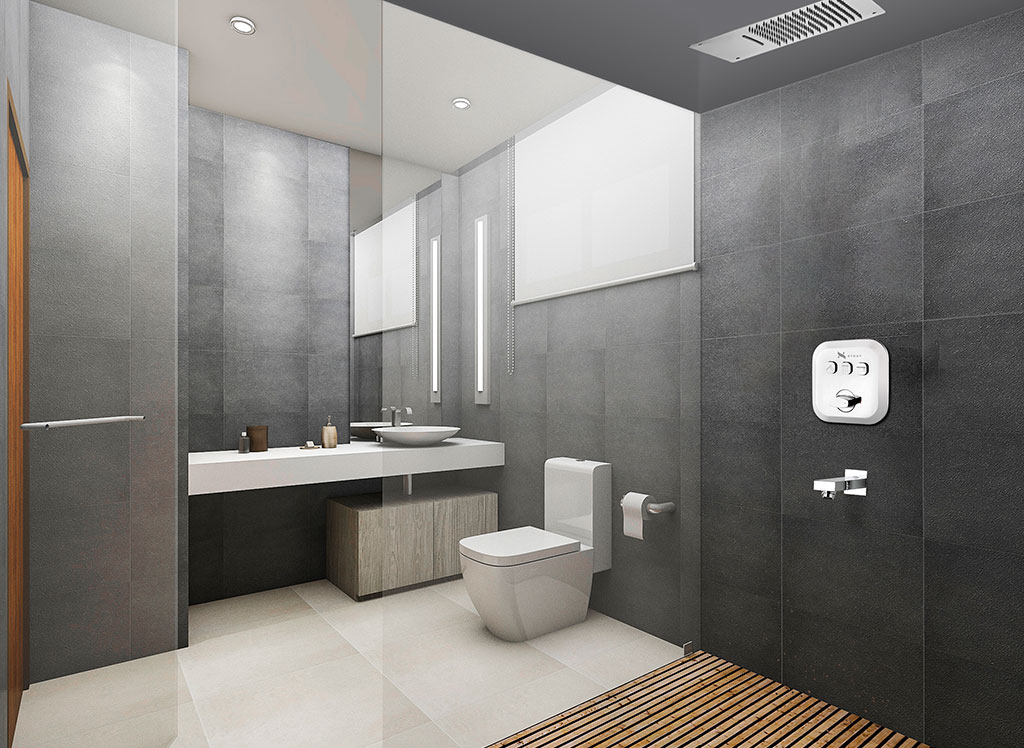
A concealed ceiling mounted shower is a shower system installed directly into the ceiling, with all pipes, valves, and fittings hidden behind the ceiling surface. The only visible components are typically the shower head face plate and wall-mounted controls.

Key Components

  • Shower Head: Mounted flush with the ceiling and available in square, round, or rectangular designs.
  • Concealed Plumbing: All water supply lines hidden above the ceiling.
  • Control Valve: Wall-mounted thermostatic controls for precise temperature management.
  • Optional Features: LED lighting, handheld showers, and multiple spray patterns.

How It Differs from Traditional Showers

  • Eliminates visual clutter by hiding pipes and fittings.
  • Provides overhead water distribution that mimics natural rainfall.
  • Allows flexible installation without existing pipe constraints.
  • Creates a seamless aesthetic that integrates with ceiling architecture.

Why Concealed Ceiling Showers Are Dominating 2025 Bathroom Trends

1. Minimalist Aesthetic Movement

  • Creates seamless visual lines that blend with ceiling architecture.
  • Frees up wall space for storage or decorative elements.
  • Offers a premium, customized appearance.

2. Spa-Like Wellness Experience

  • Gentle rainfall coverage for full-body immersion.
  • Multiple spray patterns such as rainfall, mist, and waterfall.
  • Reduced pressure impact through wider water distribution.
  • Enhanced relaxation compared to wall-mounted showers.

3. Technological Integration

  • Smart digital controls with temperature memory.
  • LED chromotherapy lighting for mood enhancement.
  • Water-saving technology with maintained pressure.
  • Voice and app-based control in premium models.

4. Space Optimization

  • Ideal for compact urban bathrooms.
  • Compatible with curbless and aging-in-place designs.
  • Creates visual height and openness.
  • Flexible placement independent of pipe layout.

5. Property Value Enhancement

  • Adds perceived luxury to homes.
  • Acts as a differentiating feature in competitive markets.
  • Provides timeless appeal and buyer attraction.

Installation Considerations

Technical Requirements

  • Ceiling access for concealed plumbing.
  • Water pressure of at least 2.5 bar.
  • Multiple supply lines for multifunction units.
  • Structural support and waterproofing.

Expert Tip: Always hire certified installers experienced with concealed systems to ensure waterproofing integrity and pressure efficiency.

Conclusion

Concealed ceiling mounted showers represent a fundamental shift in bathroom design. By blending architectural integration, wellness-driven features, and smart technology, they transform everyday showers into luxurious rituals while adding lasting value to homes.

As 2025 progresses, the demand for spa-like bathrooms will continue to grow. Choosing a concealed ceiling shower from a trusted brand like Stout Sanitaryware offers both immediate comfort and long-term investment value through timeless design and enhanced functionality.

Product has been added to your cart