
Solving Low Water Pressure Issues: Choosing the Right Shower for Indian Homes (2026 Guide)
In the landscape of Indian residential infrastructure, water pressure variability remains a persistent challenge. Whether due to municipal supply schedules, the height of overhead tanks, or narrow plumbing pipes, a weak shower can turn a relaxing routine into a frustrating chore.
The right shower for Indian homes with low water pressure utilises air-injection technology to increase spray velocity, features concentrated spray patterns, and includes easy-clean nozzles to prevent clogging from hard water.
1. The “Low Pressure” Reality in Indian Homes
Before choosing a fixture, it is essential to understand the specific constraints of Indian plumbing. Unlike Western countries with constant municipal pressure, many Indian homes rely on gravity-fed systems from overhead tanks.
The Gravity Factor: A tank on the roof provides roughly 0.1 bar of pressure per meter of height. With a 5–6 meter difference, pressure often remains between 0.5 and 0.8 bar, which is barely sufficient for standard showers.
Pipe Width: Older homes commonly use 0.5-inch pipes that restrict water flow compared to modern 0.75-inch plumbing standards.
Expert Insight: Homes with pressure pumps can support luxury showers. However, most gravity-fed or inconsistent municipal systems require fixtures designed specifically for low-pressure conditions.
2. Feature One: Air-Injection Technology (Eco-Boost)
Air-injection technology is one of the most impactful innovations for low-pressure showers in 2026, often marketed as Eco-Jet, Air-Gear, or Oxygen-Infused systems.
How It Works: The shower head pulls air into the water stream through the faceplate, mixing it with flowing water.
The Benefit: This creates larger, softer droplets that feel heavier and fuller on the skin.
The Efficiency: Even with low flow rates, air injection delivers a high-pressure feel while conserving water. Stout Sanitaryware integrates this technology into its overhead showers for consistent performance in Indian homes.
3. Feature Two: Nozzle Engineering and Hole Size
Smaller, well-engineered nozzle designs increase water velocity. This principle allows low-pressure showers to feel more powerful without increasing supply pressure.
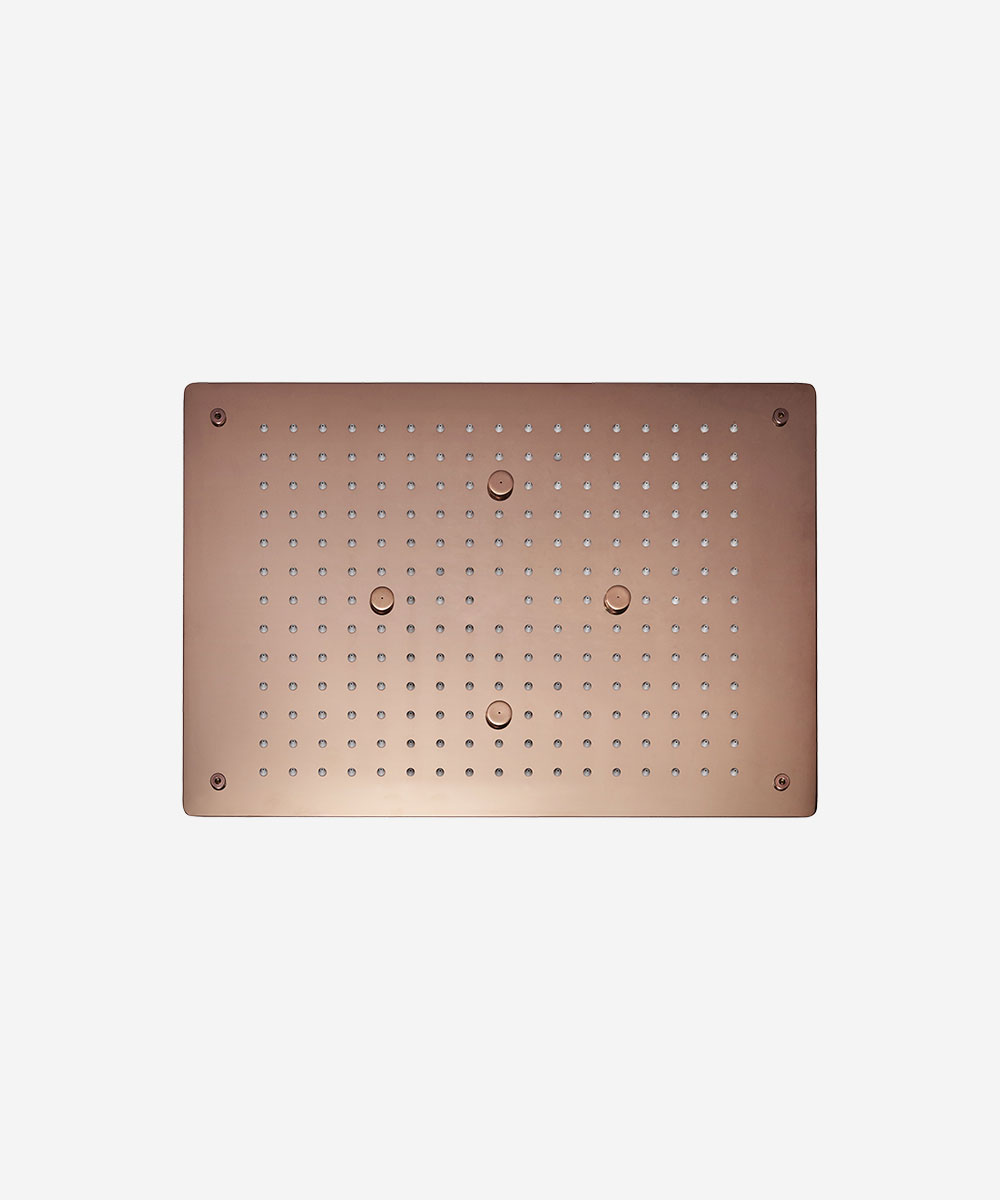
Avoid Wide Rainfall Spreaders: Large flat heads with hundreds of micro-holes require high pressure. In low-pressure homes, water trickles from the center only.
Choose Focused Spray Designs: Look for shower heads with fewer but slightly larger holes that allow water to flow freely.
Silicone Nozzles: Flexible silicone nozzles resist limescale buildup and can be cleaned easily by rubbing, maintaining consistent water flow in hard-water regions.
4. Best Shower Types for Low Water Pressure Homes
A. High-Pressure Hand Showers (Top Recommendation)
Hand showers offer superior control by allowing users to adjust distance, instantly improving perceived pressure.
What to Look For: Multi-function hand showers with massage or spray modes provide powerful jets ideal for rinsing thick hair and daily use. Stout Sanitaryware models feature durable click-buttons that hold their selected mode securely.
B. Medium Overhead Showers (250–300 mm)
Smaller overhead showers balance coverage and pressure, ensuring water reaches the edges of the spray pattern without requiring booster pumps.
C. What to Avoid: Ceiling Waterfalls
Waterfall showers depend heavily on strong pressure. Without a pump, they often perform poorly and should be avoided unless plumbing upgrades are planned.
5. Maintenance Tips to Preserve Water Pressure
In many cases, low pressure is caused by clogged filters rather than supply limitations.
Mesh Filter Check: Clean the mesh screen inside the shower hose regularly to remove rust and sediment, often restoring full pressure instantly.
6. When to Install a Booster Pump
If pressure remains below 0.3 bar despite proper fixtures and maintenance, a booster pump may be necessary.
Check Water Source: Confirm municipal or borewell supply consistency.
Install a Pump: A 0.5 HP or 1 HP pump enables full use of luxury showers. Stout Sanitaryware shower sets are designed to remain compatible with pressurized systems.
Conclusion
Low water pressure does not mean compromising on comfort. By selecting air-injection technology, optimized nozzle designs, and suitable shower formats, Indian homeowners can dramatically improve their shower experience.
The key is matching the fixture to existing infrastructure rather than forcing unsuitable designs.
Explore the High-Performance Shower Collection at Stout Sanitaryware and transform your daily routine.
Add a review
Your email address will not be published. Required fields are marked *